

Activity

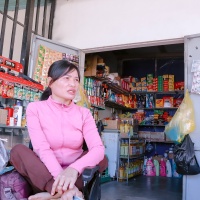
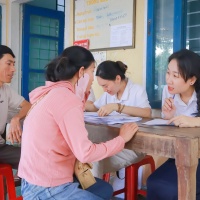
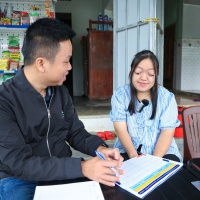
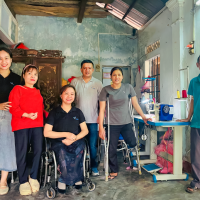
From July 28 to July 30, 2025, the Action to the Community Development Institute (ACDC), in collaboration with the Da Nang Department of Health, the Disabled People's Organization, and local commune People's Committees, organized a livelihood needs assessment for 46 households with persons with disabilities (PWDs).
The activity aims to evaluate the current situation of these households. It also explores the potential for developing existing or new livelihood models, helping to identify households suitable for upcoming support programs. The assessment strengthens coordination with local authorities to build practical and feasible support plans that are tailored to the specific conditions of each area.
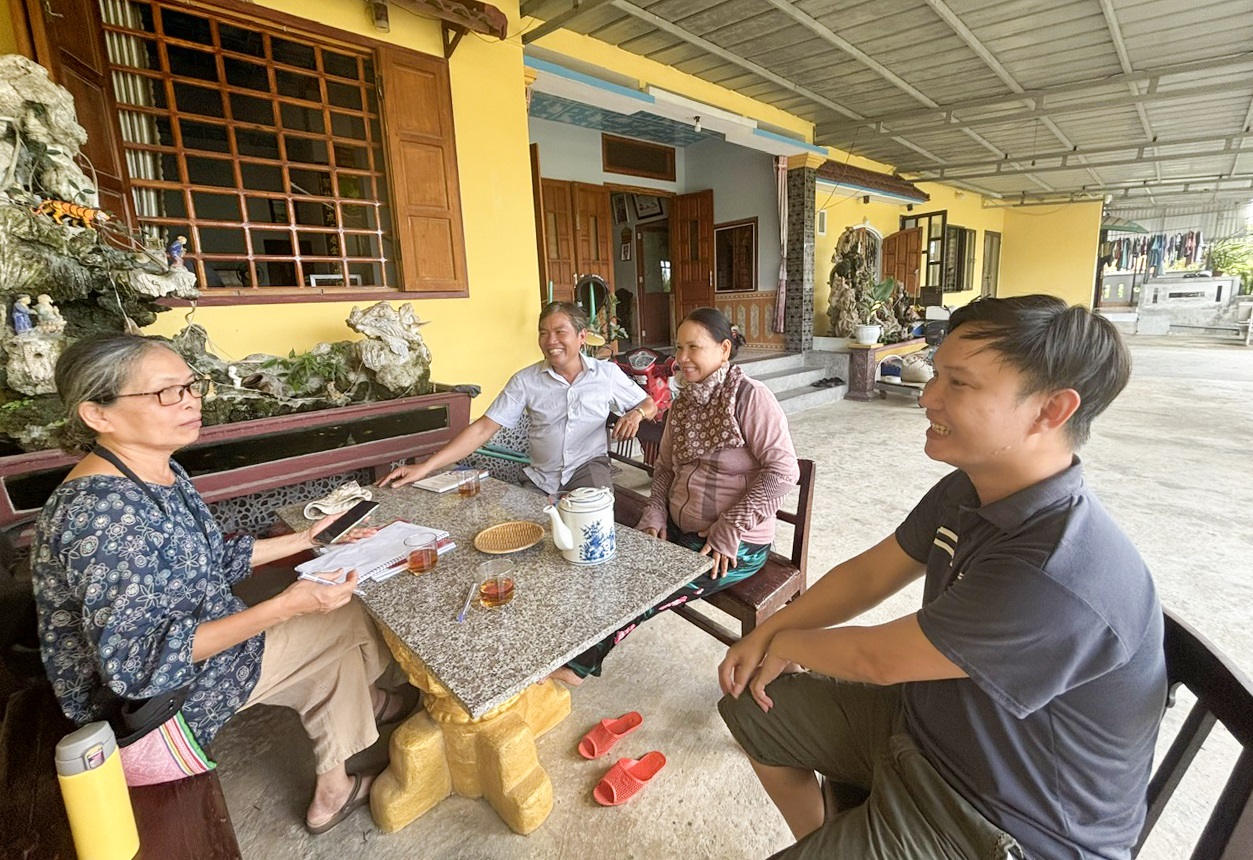
Households of people with disabilities share livelihood needs to ensure quality of life
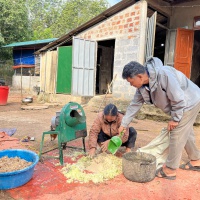
Preliminary results show that persons with disabilities and their families have a wide range of livelihood aspirations and needs, spanning both agricultural and non-agricultural sectors. The collected data will serve as a foundation for experts to design targeted solutions, improve skills, enhance market access, and ultimately improve economic conditions for persons with disabilities.
A representative of the Duy Xuyen Commune People's Committee said:
“We highly appreciate the survey conducted by ACDC and its partners. It is a practical step that helps us better understand the needs of persons with disabilities in our locality. Local authorities will continue to accompany and facilitate these programs to improve the quality of life for persons with disabilities and their families.”
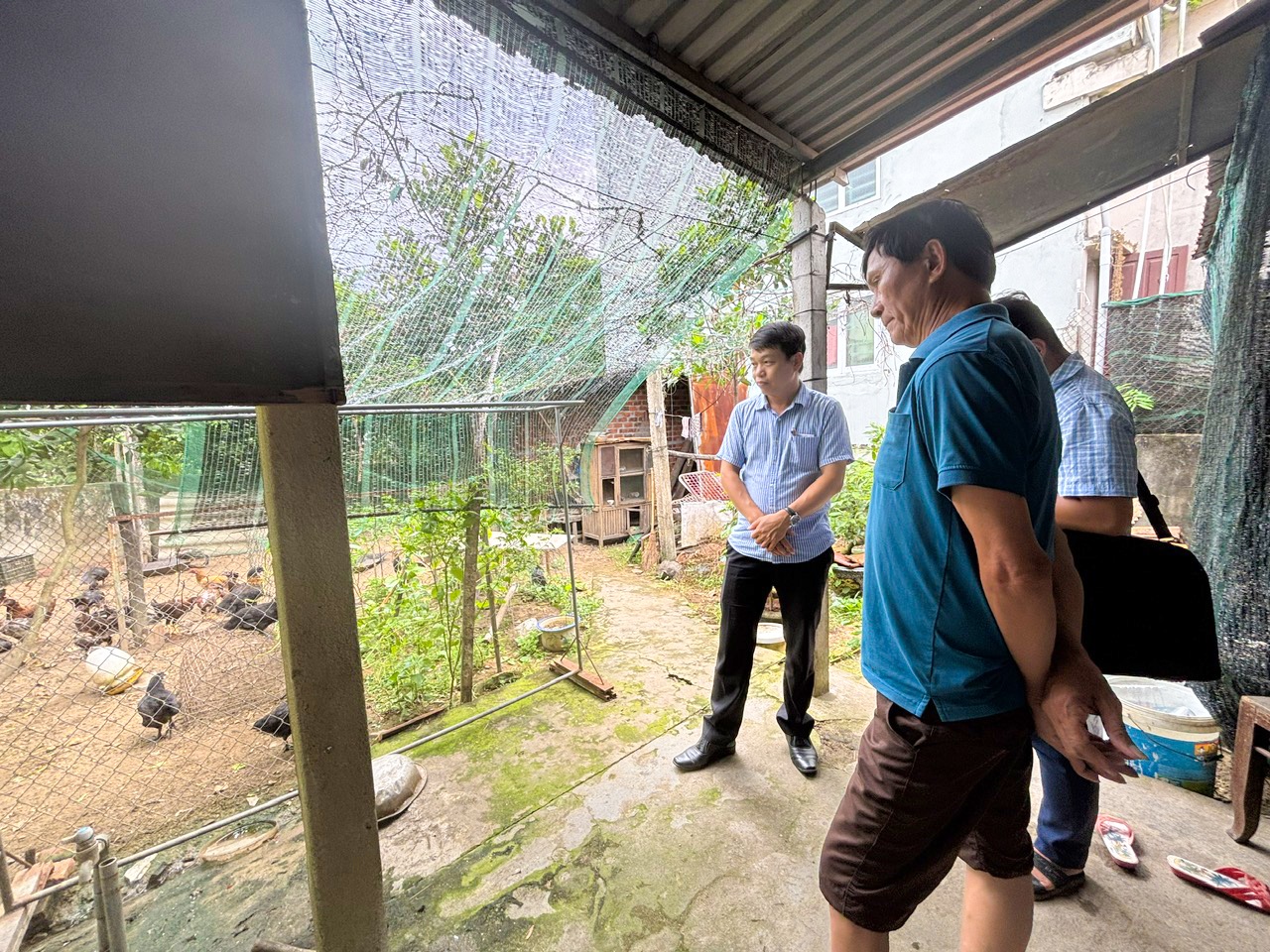
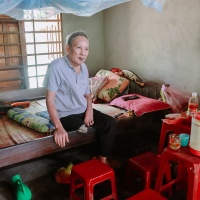
Project to visit PWDs's home
This foundational activity will guide upcoming support under the project, with 15 eligible households expected to be selected for livelihood support activities.
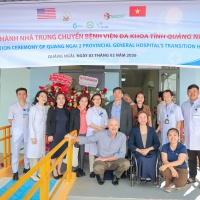
This activity is part of the project titled “Support for Improving the Quality of Life of Persons with Disabilities in Provinces Heavily Sprayed with Agent Orange,” being implemented in three provinces: Quang Tri, Hue, and Da Nang. The project is led by the National Action Center for Toxic Chemicals and Environmental Treatment (NACCET). ACDC is one of the implementing partners, under the management of the Center for Creative Initiatives in Health and Population (CCIHP).