

Activity

On 3 February 2026, the Action to the Community Development Institute (ACDC), in collaboration with the Quang Ngai Department of Health, organized the handover of equipment and the inauguration of a Transition House at Quang Ngai General Hospital No. 2. This is the eighth Transition House supported and put into operation by ACDC within its national network, contributing to improved rehabilitation quality and supporting persons with disabilities to gradually strengthen independent living skills and participation in community life in a sustainable manner.
The event was attended by representatives of the Quang Ngai Department of Health; Mr. Pham Thanh Viet, Deputy Director of Quang Ngai General Hospital No. 2; Mr. Bruno Leclercq, Country Director of Humanity & Inclusion (HI) in Viet Nam; Ms. Nguyen Thi Lan Anh, Director of ACDC; Ms. Truong Hien Anh, Deputy Project Manager of Inclusion IIb, HI; Ms. Nguyen Thu Huong, Program Director of IC; Ms. Dinh Thi Nguyet, Program Manager of CRS; along with project staff and medical doctors and technicians from the Department of Physiotherapy and Rehabilitation.
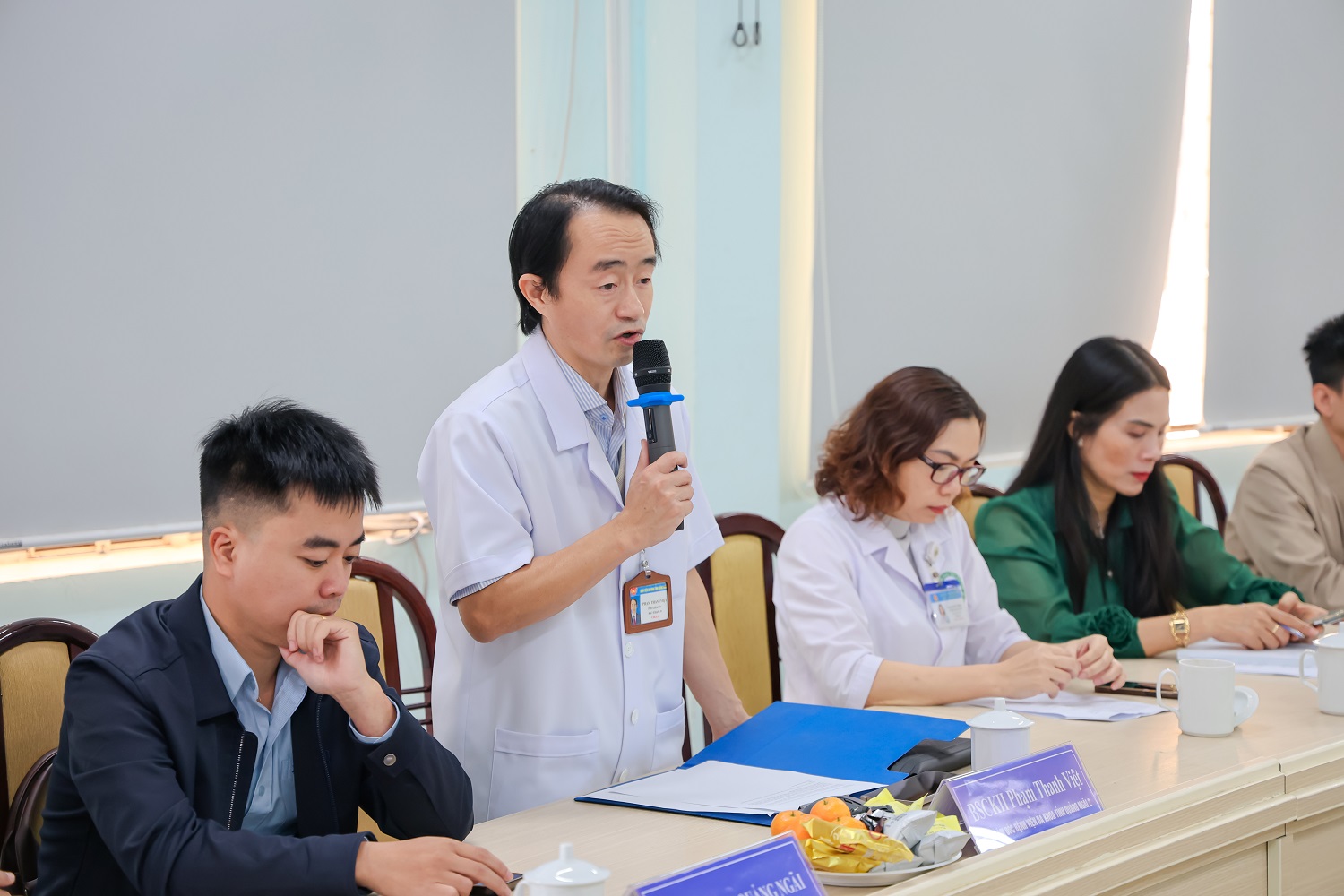
Mr. Pham Thanh Viet – Deputy Director of Quang Ngai Province General Hospital No. 2 – delivers the opening remarks
In his opening remarks, Mr. Pham Thanh Viet, Deputy Director of Quang Ngai General Hospital No. 2, emphasized: “With the strong support and close partnership of ACDC, the Department has completed the installation of equipment in the Transition House. This model ensures a safe, continuous, and effective transition for patients and persons with disabilities after discharge. It is the first model of its kind implemented in the former Kon Tum area, now part of Quang Ngai Province. We believe that this model will help improve communication, social participation, and independent daily living, thereby enhancing the quality of life for patients and persons with disabilities.”
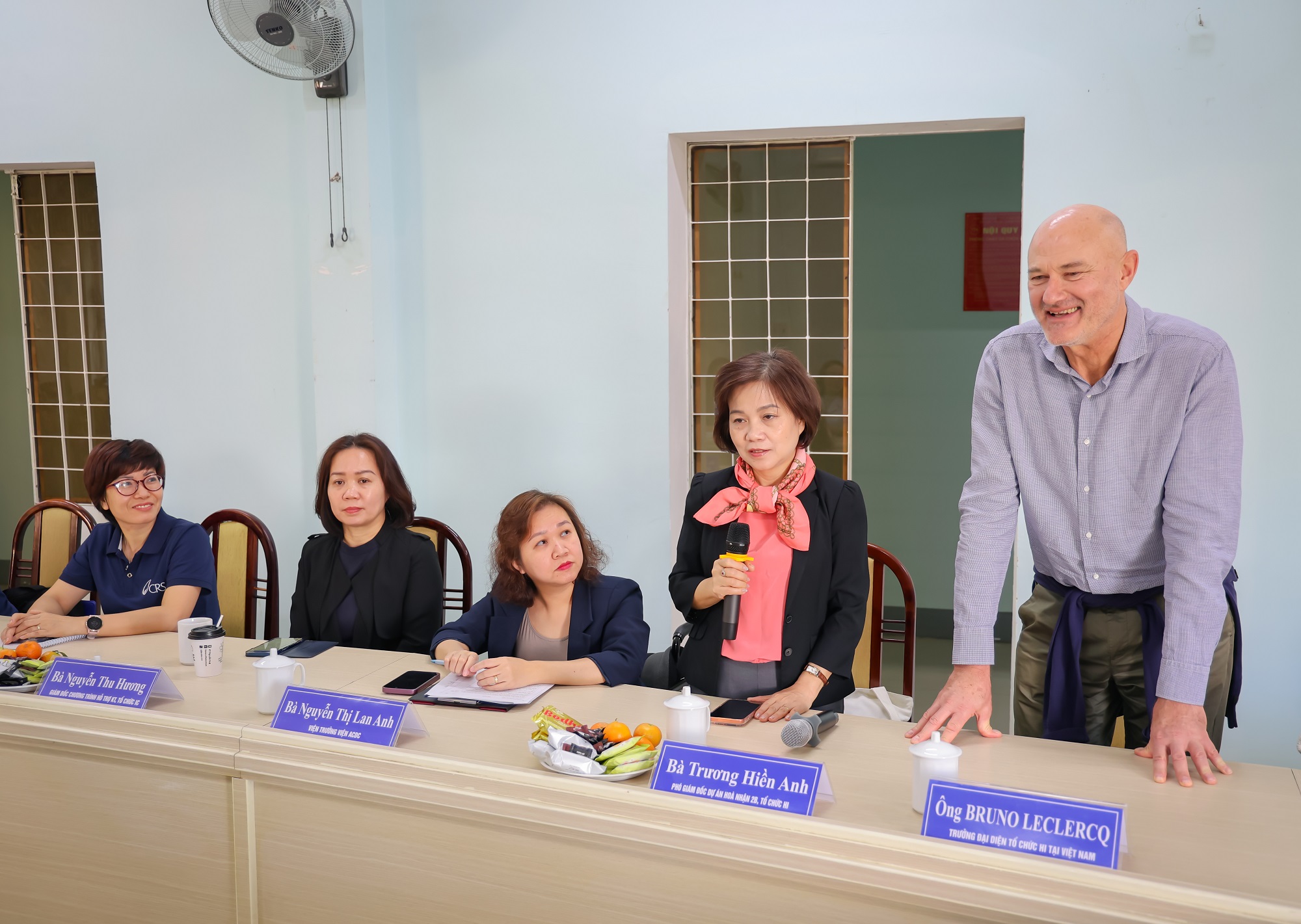
Mr. Bruno Leclercq – Country Representative of HI in Vietnam – shares the significance of the Transitional House model
Sharing the significance of the model, Mr. Bruno Leclercq, Country Director of HI in Viet Nam, stated: “In Viet Nam, rehabilitation is being recognized as a top priority at both national and provincial levels. We are witnessing a major shift - rehabilitation is no longer limited to physiotherapy alone but has become a specialized field requiring multidisciplinary collaboration among physiotherapists, speech therapists, and occupational therapists. This multidisciplinary model better responds to the needs of patients, including persons with disabilities. In particular, the Transition House - possibly the first of its kind in Quang Ngai - fills a critical missing link in the journey of patients and persons with disabilities: a sustainable bridge from hospital-based treatment to community life and daily participation.”
The Transition House is managed by the Department of Physiotherapy and Rehabilitation of Quang Ngai General Hospital No. 2. It is designed as a simulated living environment, reflecting real family and community settings, allowing patients and persons with disabilities to practice daily living activities before returning home. Through this model, persons with disabilities are supported not only in physical rehabilitation but also in developing psychological readiness and practical skills, enabling a gradual transition toward independent living after treatment.
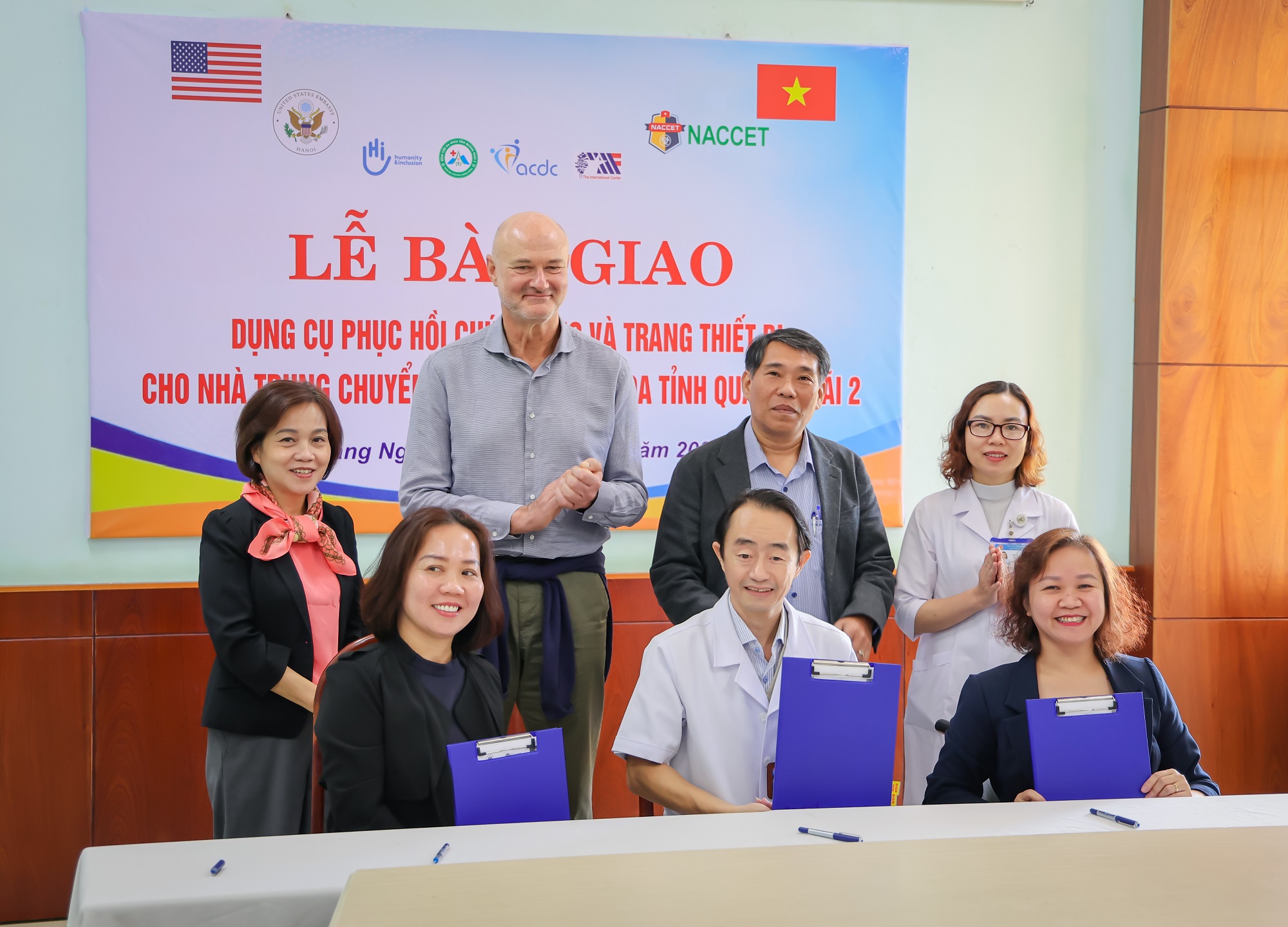
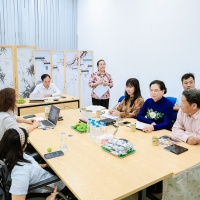
Representatives of Quang Ngai Province General Hospital No. 2 and partner organizations sign the handover minutes for equipment and rehabilitation devices of the Transitional House
Activities at the Transition House focus on practicing essential daily functions that have been introduced during therapy sessions, such as mobility, dressing, eating, cooking, personal hygiene, grooming, bathing, self-care, and other forms of community participation.
Reflecting on the development of the Transition House in Quang Ngai, Ms. Nguyen Thi Lan Anh, Director of ACDC, shared: “Since 2019, ACDC has pioneered the development of the first Transition House model in Thua Thien Hue Province, now Hue City, in close collaboration with the health sector. From this initial model, the Transition House has been adapted and implemented in various provinces and cities, based on local conditions. Covering an area of 65 square meters, the Transition House in Quang Ngai is designed with four functional zones that closely replicate a household environment and is equipped with 95 assistive devices and tools tailored to the rehabilitation and daily living needs of persons with disabilities.”
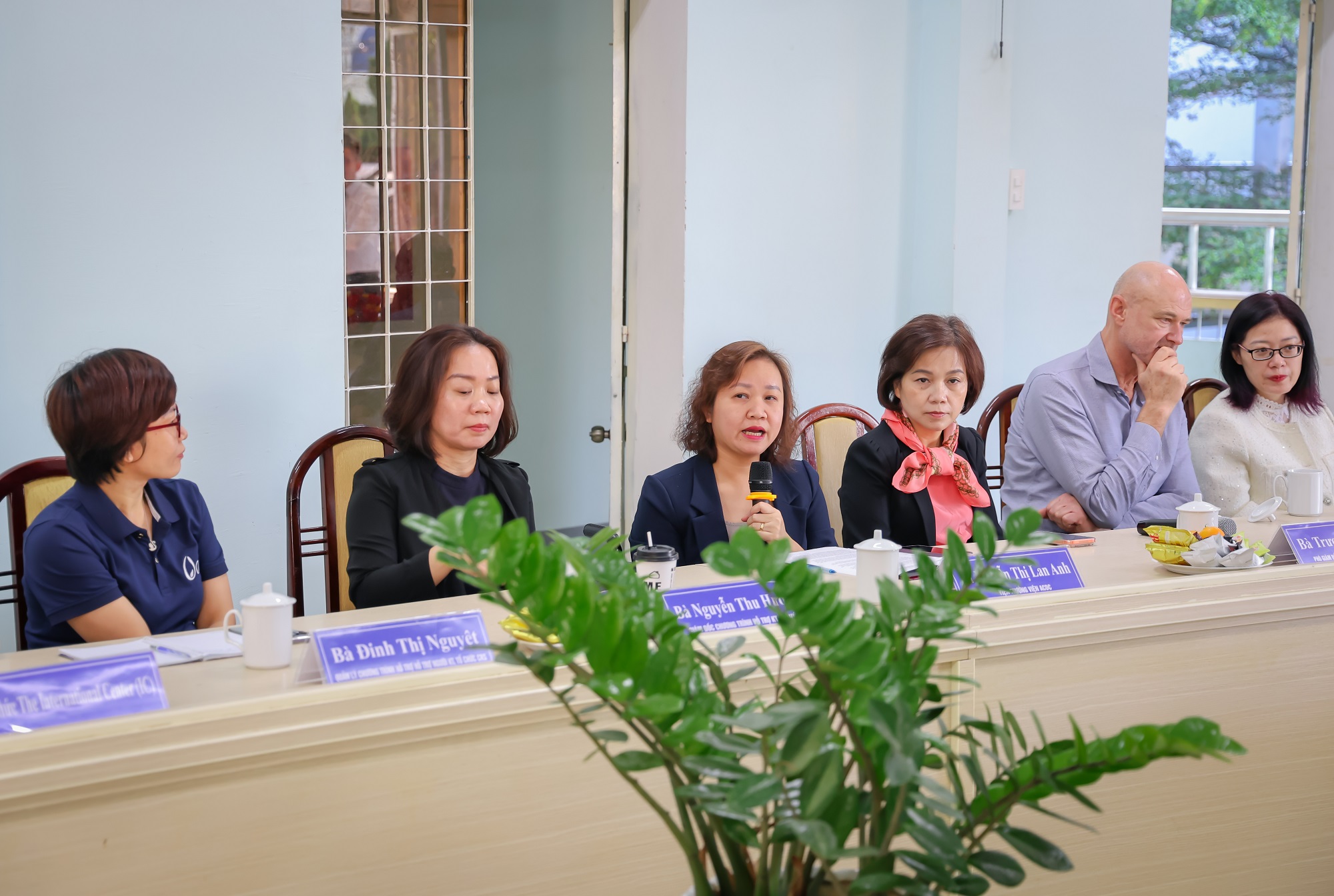
Ms. Nguyen Thi Lan Anh – Director of the ACDC Institute – shares insights on supporting and developing the Transitional House
Beyond supporting rehabilitation, the Transition House also serves as a reference model for families and communities to improve living environments in ways that better match the needs and capacities of persons with disabilities.
From a healthcare facility perspective, Ms. Phan Thuy Hong, Head of the Rehabilitation Department at Quang Ngai General Hospital No. 2, noted: “This model adds a critical link between treatment and community participation, improving rehabilitation outcomes and reducing pressure on inpatient beds. It reinforces the hospital’s role not only as a treatment provider but also as a coordinator connecting comprehensive support services for persons with disabilities. With strengthened cooperation among partners, we hope to ensure continuity of support after patients complete rehabilitation at the Transition House, generating long-term and meaningful benefits for persons with disabilities in the former Kon Tum area and across Quang Ngai Province.”
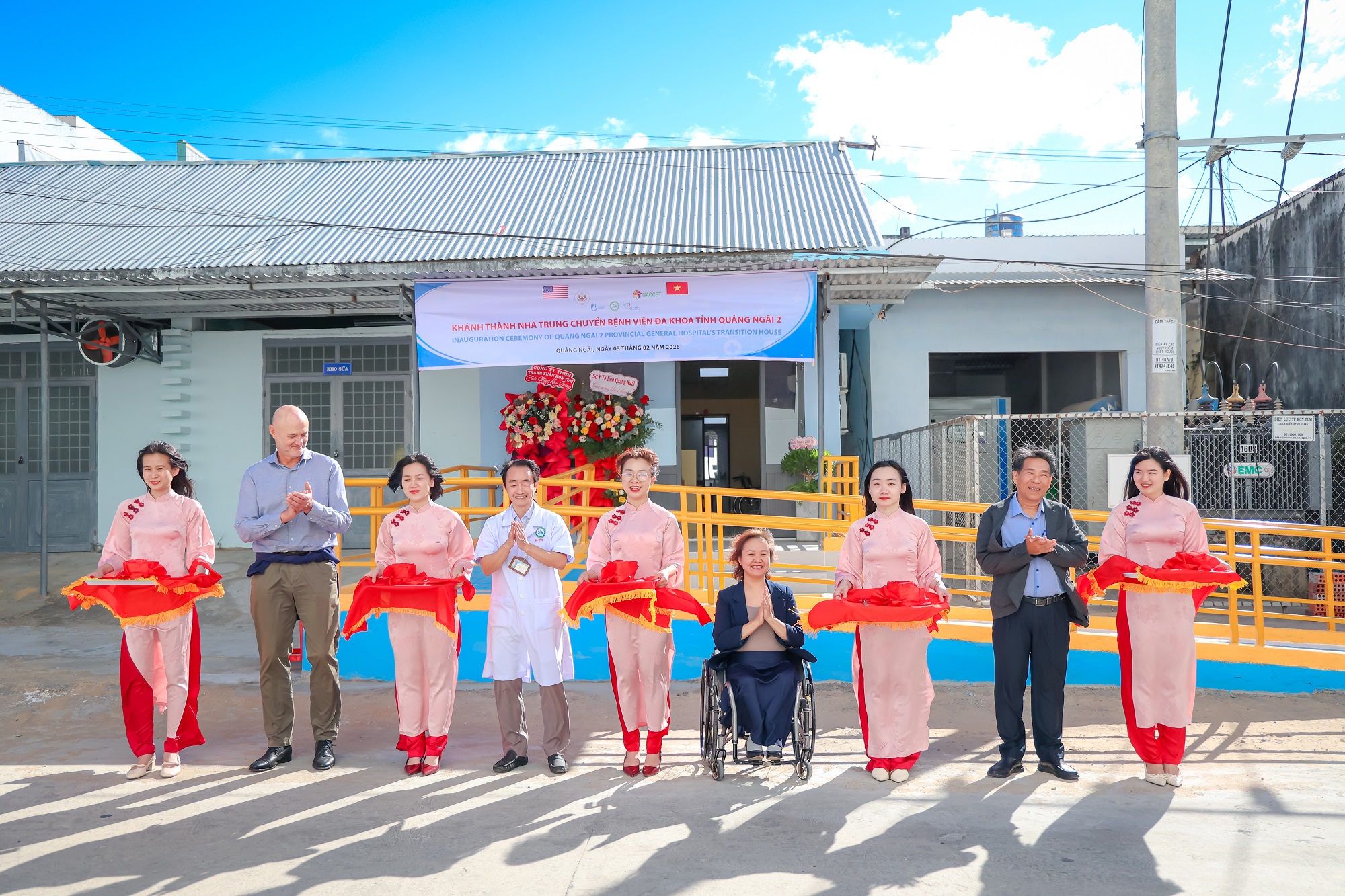
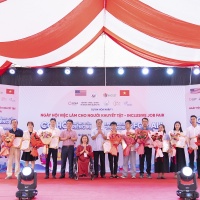
Representatives of leaders and partner organizations jointly cut the ribbon to inaugurate the Transitional House
Designed in line with local socio-economic and cultural conditions, the Transition House meets accessibility standards for persons with disabilities. It includes four functional areas: a kitchen and dining area, bathroom, bedroom, and common living space. The facility is equipped with household items and assistive devices that enable patients to practice daily activities independently, such as kitchen utensils, hygiene items, wheelchairs, shower chairs, grab bars, and other safety supports.
According to the hospital’s operational plan, the Transition House will be directly managed by the Department of Physiotherapy and Rehabilitation. Medical staff and technicians will provide technical guidance, care, and ongoing monitoring and evaluation of rehabilitation progress, while continuing post-discharge counselling and support to ensure long-term rehabilitation outcomes.
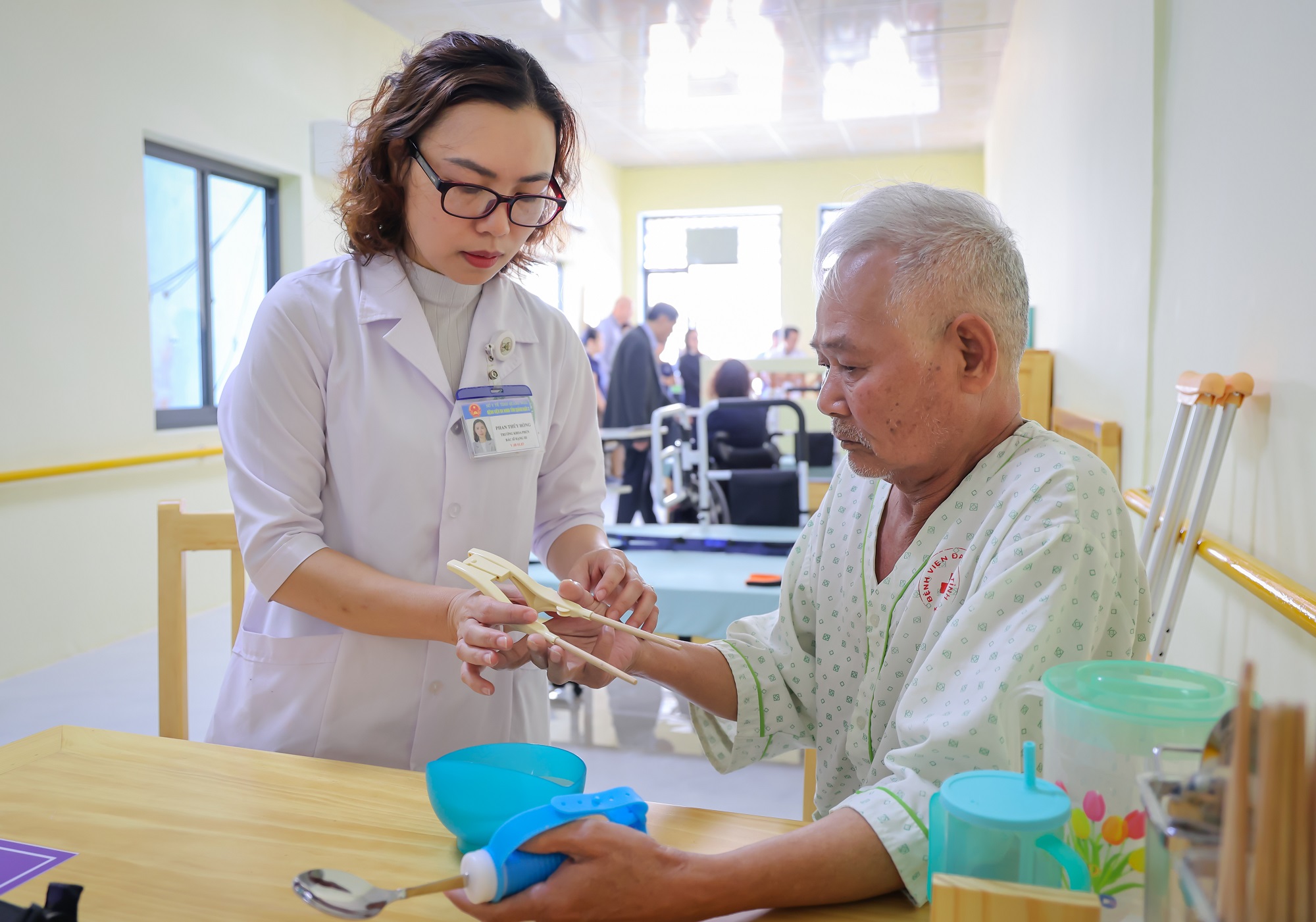
A person with disabilities is directly instructed by a doctor on how to use chopsticks proficiently
To date, ACDC has supported and operationalized eight Transition House models nationwide. The inauguration of the first Transition House at Quang Ngai General Hospital No. 2 further demonstrates the effectiveness and sustainability of this model, opening opportunities for replication and contributing to improved quality of life and enhanced community participation for persons with disabilities.
This activity is implemented under the “Improving the quality of life of persons with disabilities in provinces sprayed with Agent Orange” Project in Gia Lai and Quang Ngai provinces (Inclusion IIb Project), funded by the U.S. Government. The project is owned by the National Action Centre for Toxic Chemicals and Environmental Treatment (NACCET), with Action to the Community Development Institute (ACDC) as one of the implementing partners under the management of Humanity & Inclusion (HI).