

Activity
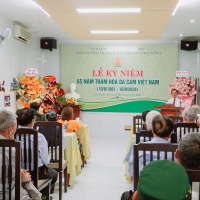
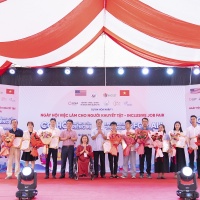
On the occasion of the “World Day and National Day Against Human Trafficking (30 July)”, the ASEAN - Australia Counter Trafficking Program (ASEAN-ACT), in collaboration with the Department of Foreign Relations under the Ministry of Public Security, organized the event “Introduction of Materials on the Protection and Support for Trafficking Victims and Commemoration of July 30” on the morning of July 28, 2025, in Hanoi. The event brought together representatives from Mr. Joe Bourke, Second Secretary for Political Affairs at the Australian Embassy in Vietnam, authorities including the Ministry of Public Security, Ministry of Justice, the Supreme People's Court, as well as civil society organizations such as the Vietnam Federation on Disability (VFD), the Action to the Community Development Institute (ACDC), and many other units working to support and protect trafficking victims.
At the event, three important technical documents were officially introduced, including: the Handbook on Protection of Victims Participating in Human Trafficking Proceedings at the Court (developed by the Supreme People's Court); the Legal Aid Guidelines for Trafficking Victims (developed by the Legal Aid Department); and most notably, for the first time, the launch of the Inclusive Handbook for Trafficked Persons with Disabilities, developed by the Vietnam Federation on Disability and ACDC, with support from the ASEAN-ACT Program.
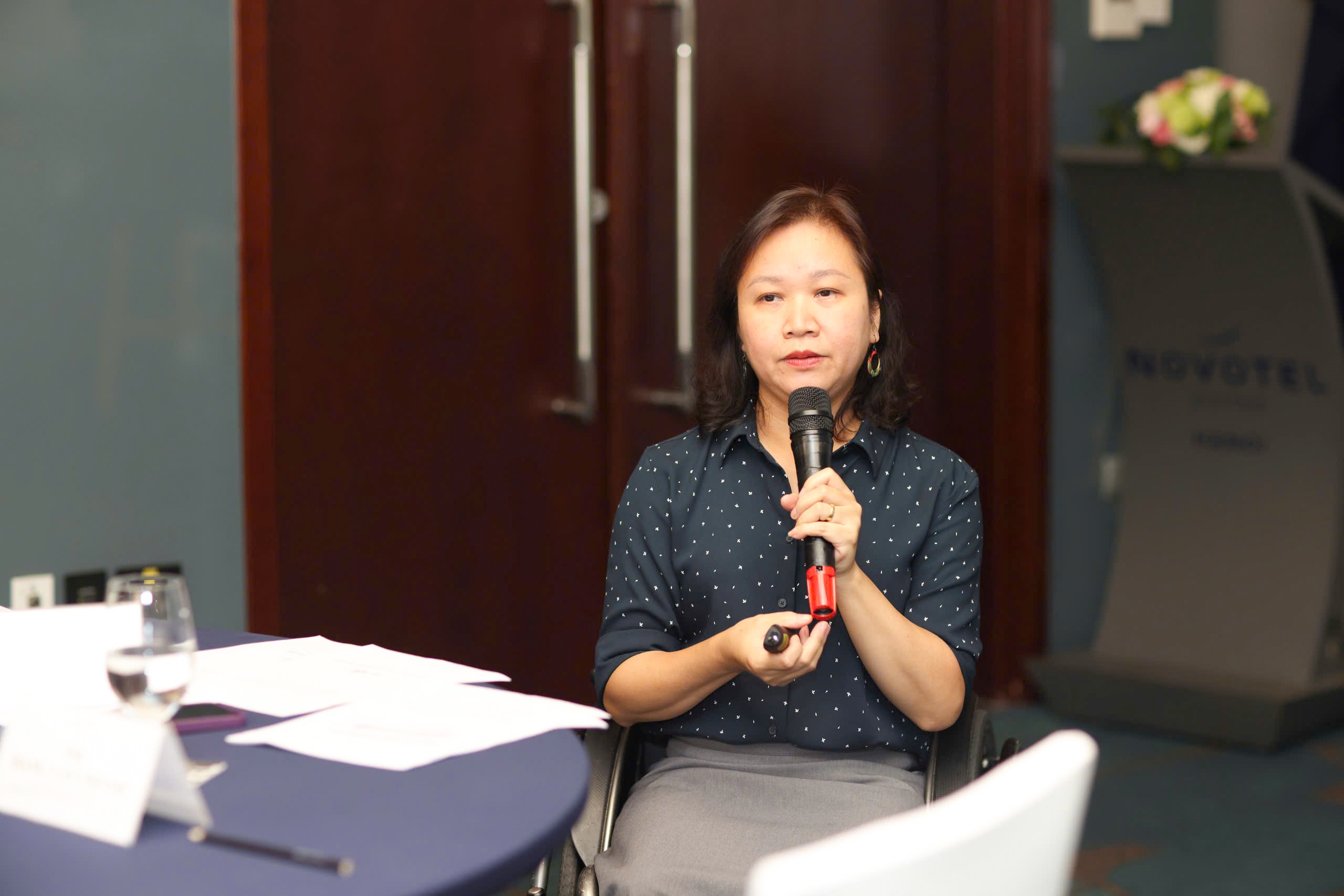
Ms. Nguyen Thi Lan Anh – Vice President of the Vietnam Federation on Disability (VFD) and Director ACDC shared about the development of the handbook and key issues concerning persons with disabilities
Representing the handbook development team, Ms. Nguyen Thi Lan Anh - Vice President of VFD and Director of ACDC - shared: “Persons with disabilities are at higher risk of becoming victims of human trafficking, yet current anti-trafficking programs still do not fully integrate disability-related factors. This handbook is designed to provide foundational knowledge and practical recommendations to help service systems and frontline personnel incorporate inclusion in their support for victims, thereby ensuring no one is left behind.”
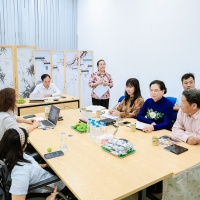
Continuing this message, during the thematic discussion, Mr. Dang Van Thanh - Executive Vice President of VFD - emphasized practical realities: “Persons with disabilities are more vulnerable to trafficking due to their physical and cognitive limitations, lack of information, and limited self-protection skills. They also face stigma and abandonment. Meanwhile, trafficking tactics are becoming increasingly sophisticated, especially online and across borders. Challenges in data collection, societal awareness, and access to information remain major barriers to protecting persons with disabilities from trafficking. Therefore, integrating disability perspectives into anti-trafficking efforts is essential, alongside training for staff and promoting the role of organizations of and for persons with disabilities.”
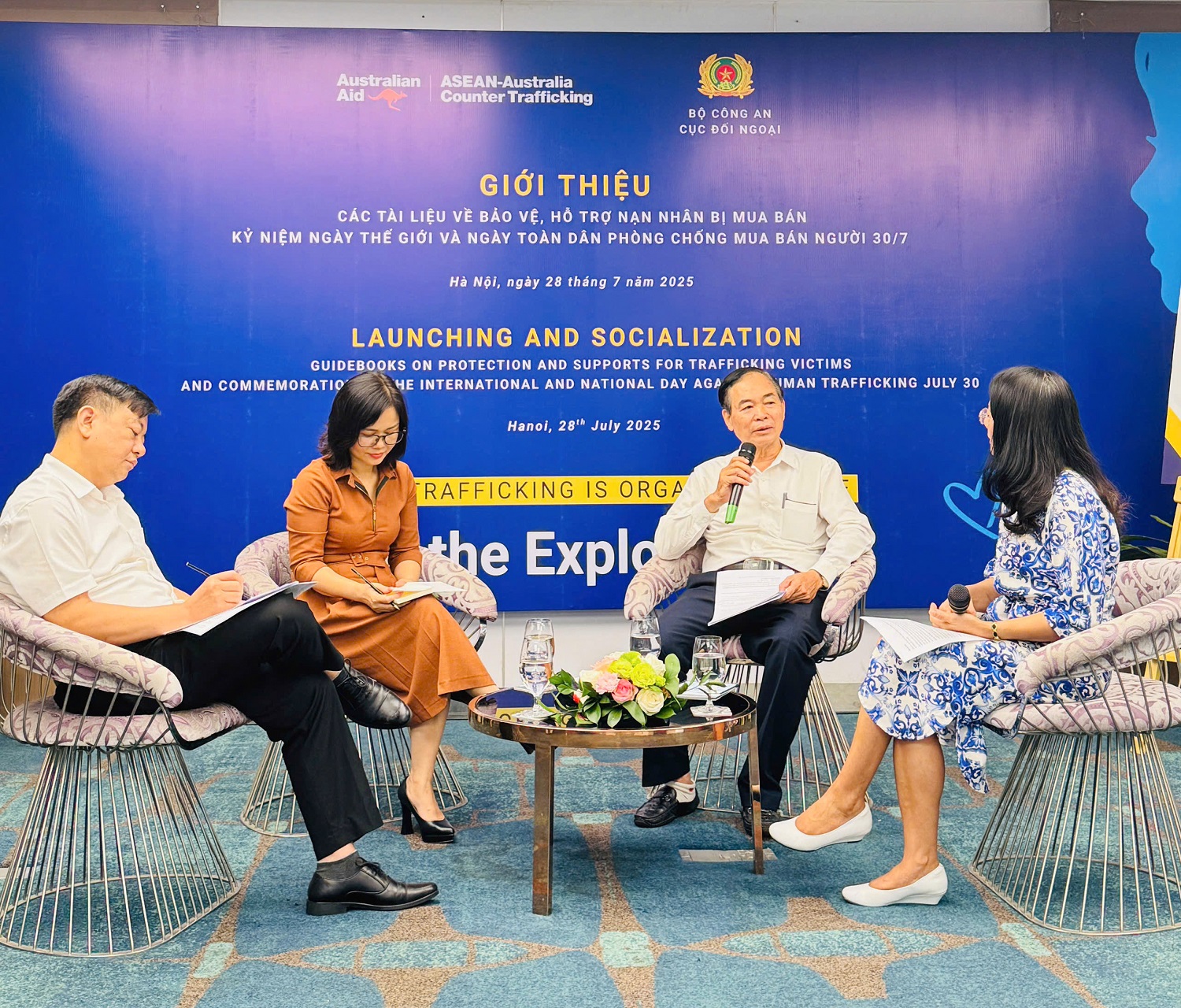
Mr. Dang Van Thanh – Executive Vice President (VFD) delivered remarks on efforts to support the prevention of human trafficking involving persons with disabilities
The Inclusive Handbook for Trafficked Persons with Disabilities focuses on recommendations and guidance for mainstreaming disability inclusion throughout the entire counter - trafficking process - from identification and determination to support, protection during criminal proceedings, and reintegration. The document helps agencies, organizations, and support personnel identify the barriers and specific needs associated with different types of disabilities, enabling them to adjust their approaches and support methods to be more appropriate, safe, and effective. This is the first document in Vietnam to offer in - depth guidance on inclusion of persons with disabilities within the counter-trafficking context. It serves as a practical and human-centered tool to operationalize the commitment to “leave no one behind” and contribute to building a comprehensive, inclusive, and victim-centered support system.
This event marks a meaningful step in the journey towards building an inclusive, compassionate, and victim - centered justice system - affirming strong commitments to protecting vulnerable groups, especially persons with disabilities, from the risks of trafficking and exploitation.