

Hoạt động
From 21 – 22 May 2026, ACDC conducted an assessment of the need for solar power systems at seven facilities providing care, education, vocational training, and support services for persons with disabilities in Quang Tri Province and Hue City. The initiative aims to reduce operating costs, improve service quality, and promote the use of renewable energy among beneficiary institutions.
Under projects funded by Green Cross Switzerland (GCCH) through ACDC, ACDC worked with relevant partners from 21 – 22 May 2026 to assess the current conditions and demand for solar power systems at facilities providing care, education, vocational training, and support services for persons with disabilities in Quang Tri Province and Hue City.
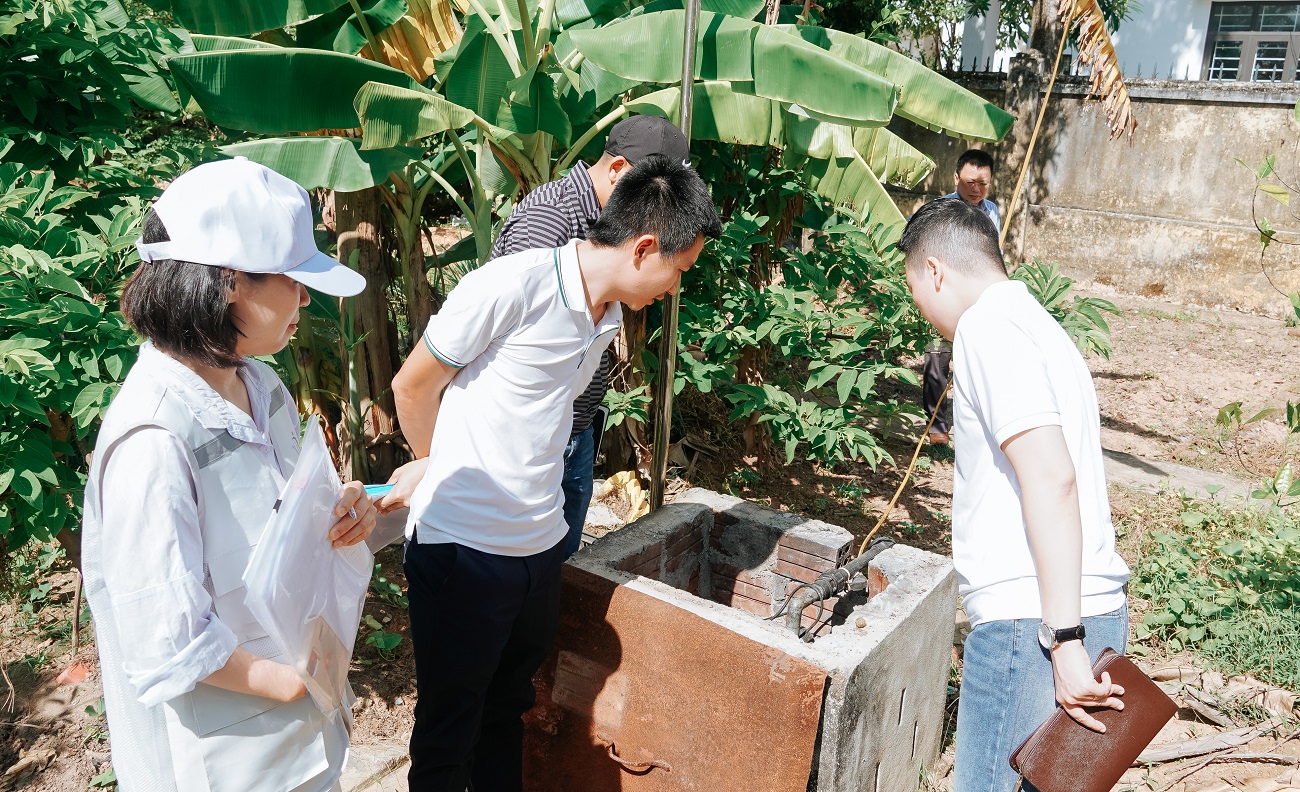
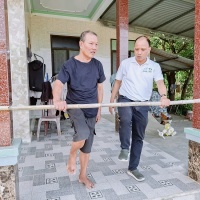
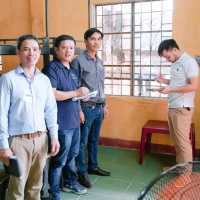
Technical staff assess existing electrical infrastructure to evaluate the feasibility of installing solar power systems
The assessment was conducted to evaluate current electricity consumption, infrastructure conditions, energy needs, and the feasibility of implementing solar power systems at beneficiary facilities. The findings will serve as an important basis for selecting suitable institutions and developing effective support plans, contributing to lower electricity costs and improved care, education, and rehabilitation services for persons with disabilities.
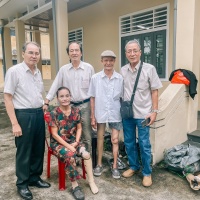
In Quang Tri Province, the assessment team worked with four institutions: the Quang Tri Semi-Boarding Center for Persons with Disabilities and Agent Orange Victims, the SOS Children's Village in Northern Quang Tri, the Gio Linh Rehabilitation Center for Children with Disabilities, and the South Quang Tri Mental Health Care Center. During the visits, the team directly evaluated existing electrical systems, energy consumption levels, monthly operating costs, and technical conditions such as roof area, building structure, solar exposure, and grid connection feasibility for solar power installations.
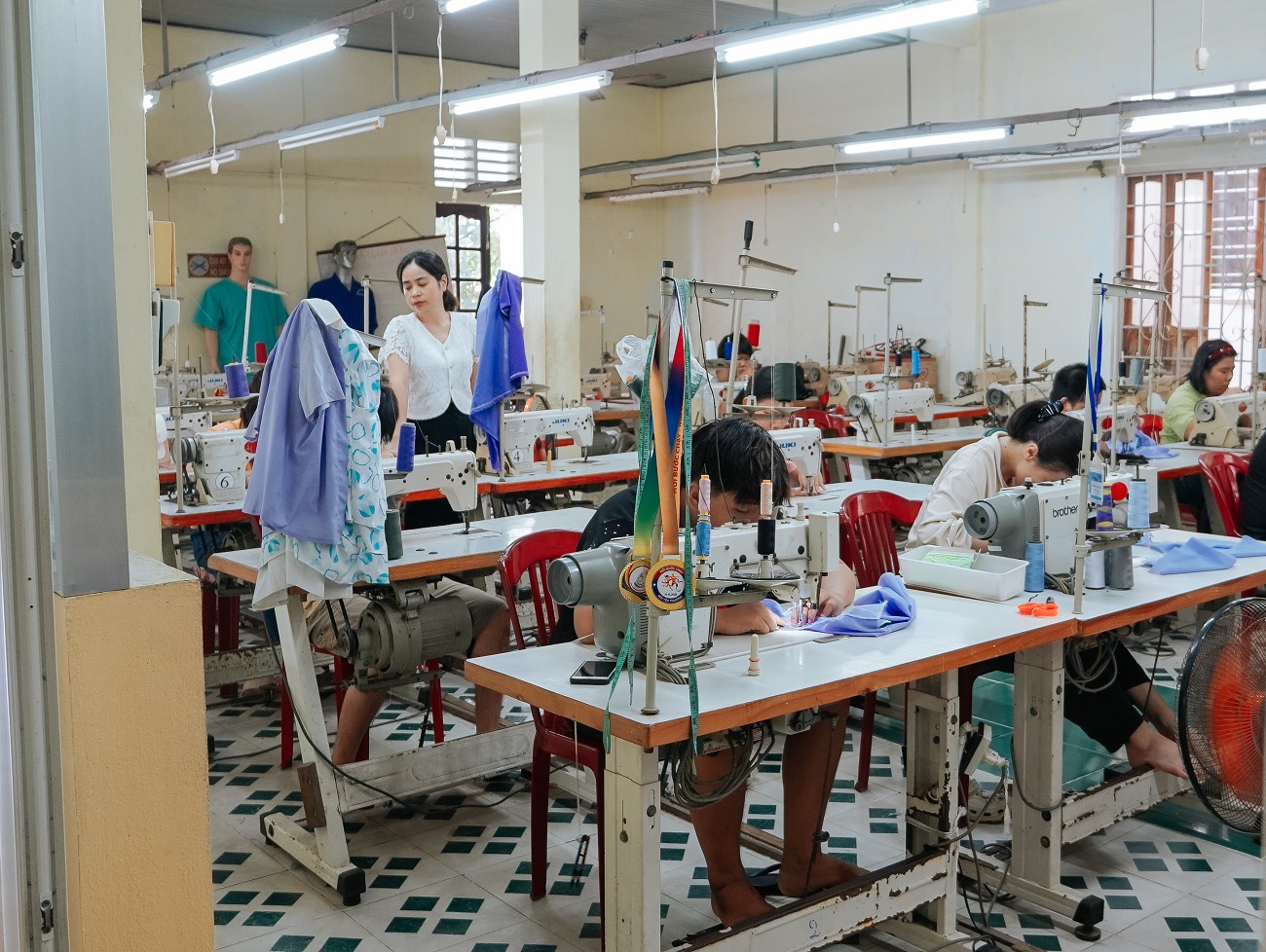
The assessment team reviews electricity demand in a vocational sewing training area for persons with disabilities
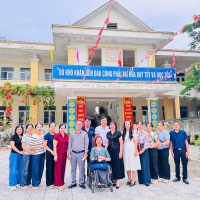
In Hue City, the team visited the Vocational Training and Employment Center for Persons with Disabilities in Hue City, Thuan Thanh Primary School, and Vinh Ninh Primary School. These institutions provide education, vocational training, and support services for persons with disabilities and require a stable electricity supply for lighting systems, teaching equipment, daily activities, and professional services. The team met with facility representatives to better understand their actual needs, challenges related to electricity costs, and interest in accessing renewable energy solutions in the future.
Through these consultations, many institutions noted that monthly electricity expenses represent a significant recurring cost, affecting resources available for care, education, and disability support activities. Installing solar power systems would not only help reduce operational costs but also provide a more stable power supply, contributing to improved service quality and a better learning and living environment for beneficiaries.
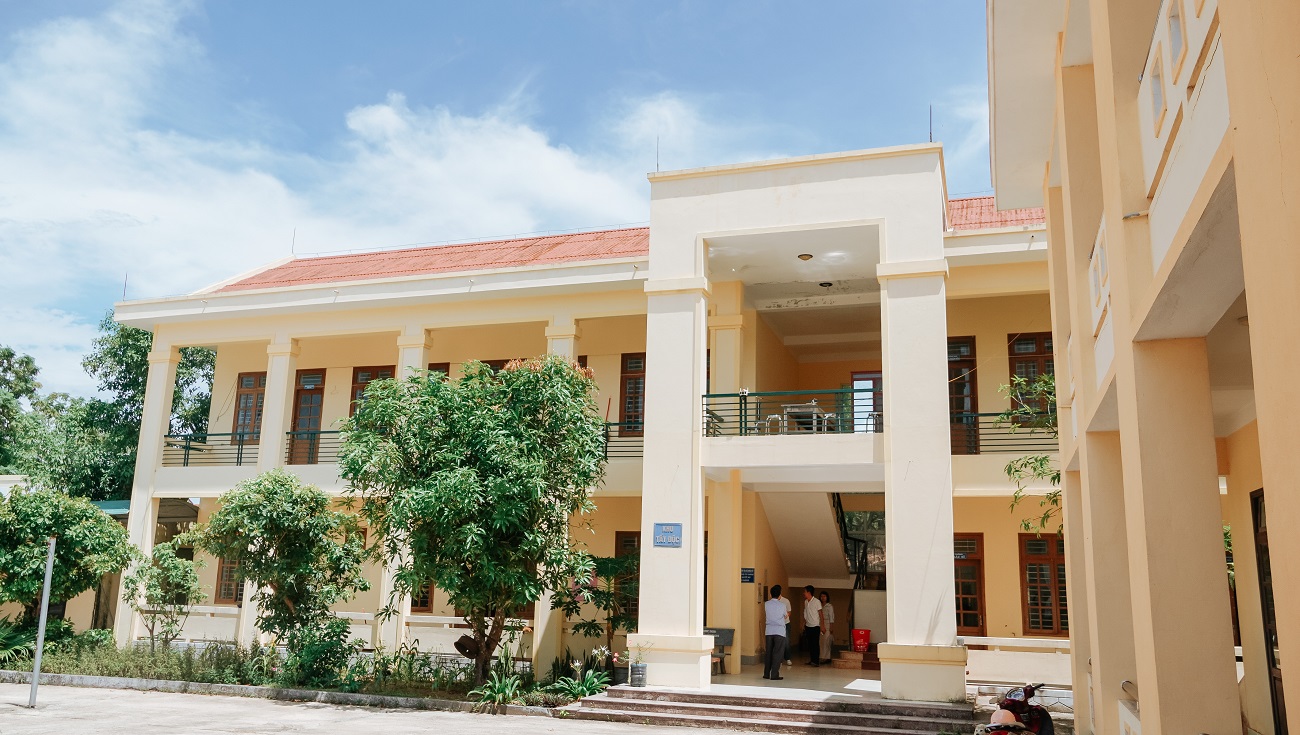
An educational institution is assessed to review infrastructure conditions and renewable energy needs
ACDC hopes that, in addition to reducing operating costs and financial pressures for facilities selected for solar power installation, this initiative will promote the use of renewable energy, reduce greenhouse gas emissions, and raise community awareness of sustainable development and energy security.
Translator Nguyen Dac Thanh