

Hoạt động

From mechanical engineering, livestock farming, and small businesses to services tailored to health conditions, the mid-term evaluation shows that many Persons with Disabilities households in Quang Tri have gradually stabilized their income, enhanced their initiative, and improved their self-reliance in life.
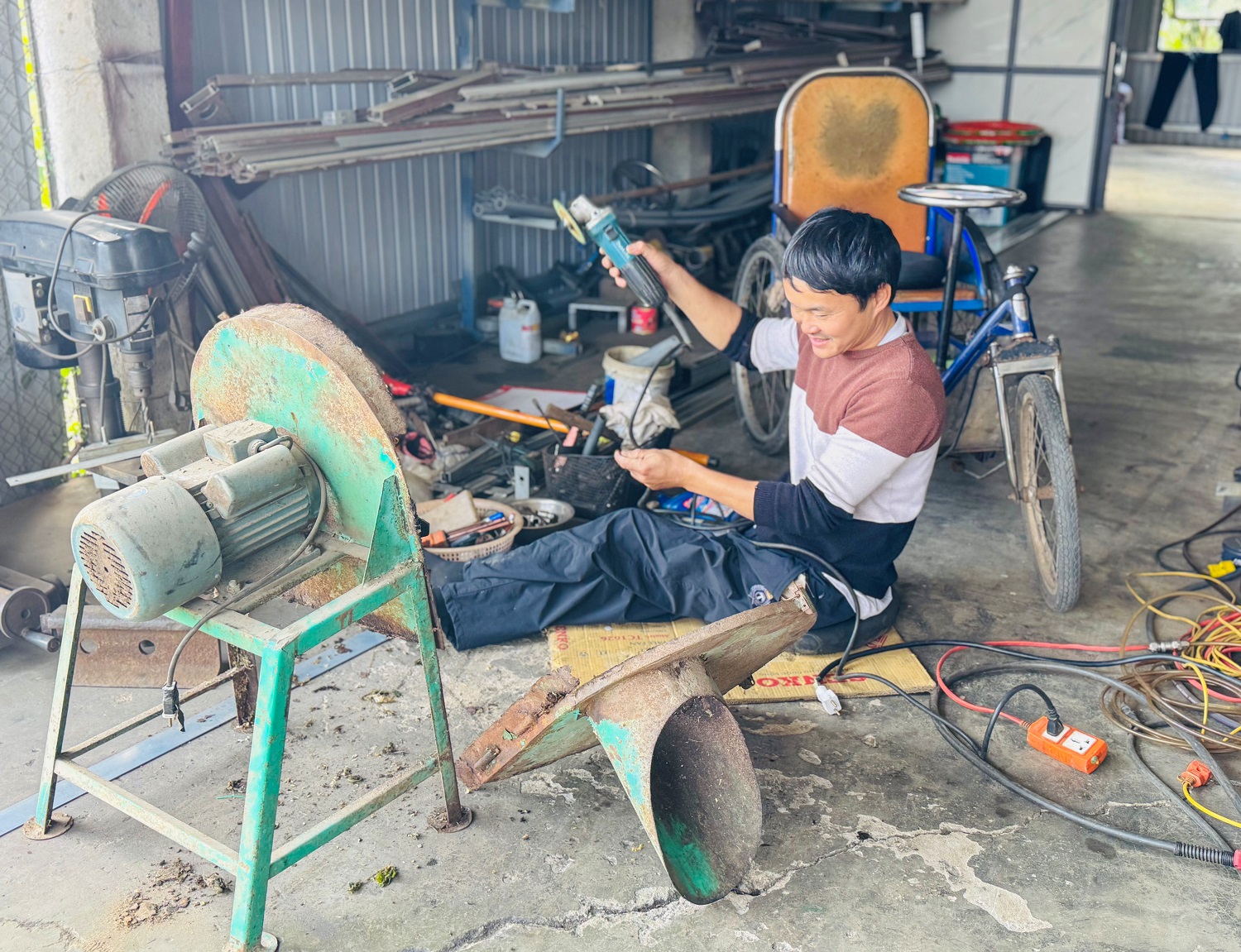
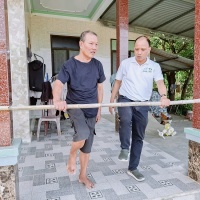
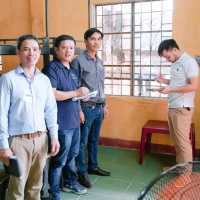
With support from the project, persons with disabilities are now able to safely and efficiently operate cutting and grinding machines, improving productivity in mechanical work
“Recently, the project provided me with various pieces of equipment such as a Hong Ky welding machine, a metal cutting machine, gas cylinders, and welding rods, which have made my work much easier. Previously, with basic tools, it took me two days to weld a set of doors. Now, it takes less than a day to finish. Thanks to this support, in October I confidently took on a contract to manufacture lamp posts for the Central Committee of the Vietnam Farmers’ Union, worth 230 million VND. After deducting expenses, I earned a profit of 16 million VND. The work has grown, the products are of higher quality than before, and I am very happy.” - Mr. H.V.T, a PwD in Vinh Thuy commune, Quang Tri province.
Mr. H.V.T.’s sharing is one of the positive outcomes recorded during the midterm evaluation of the livelihood support activities for persons with disabilities implemented by the Action to Community Development Institute (ACDC) in Quang Tri Province.
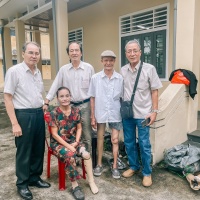
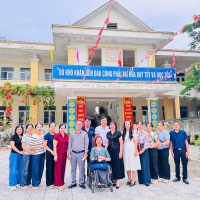
From January 13 to 16, 2026, ACDC conducted a midterm evaluation of livelihood support activities for 40 households of persons with disabilities in Quang Tri Province. The evaluation aimed to monitor implementation progress, assess the sustainability of the livelihood models, and propose solutions to enhance the effectiveness of support in the coming period.
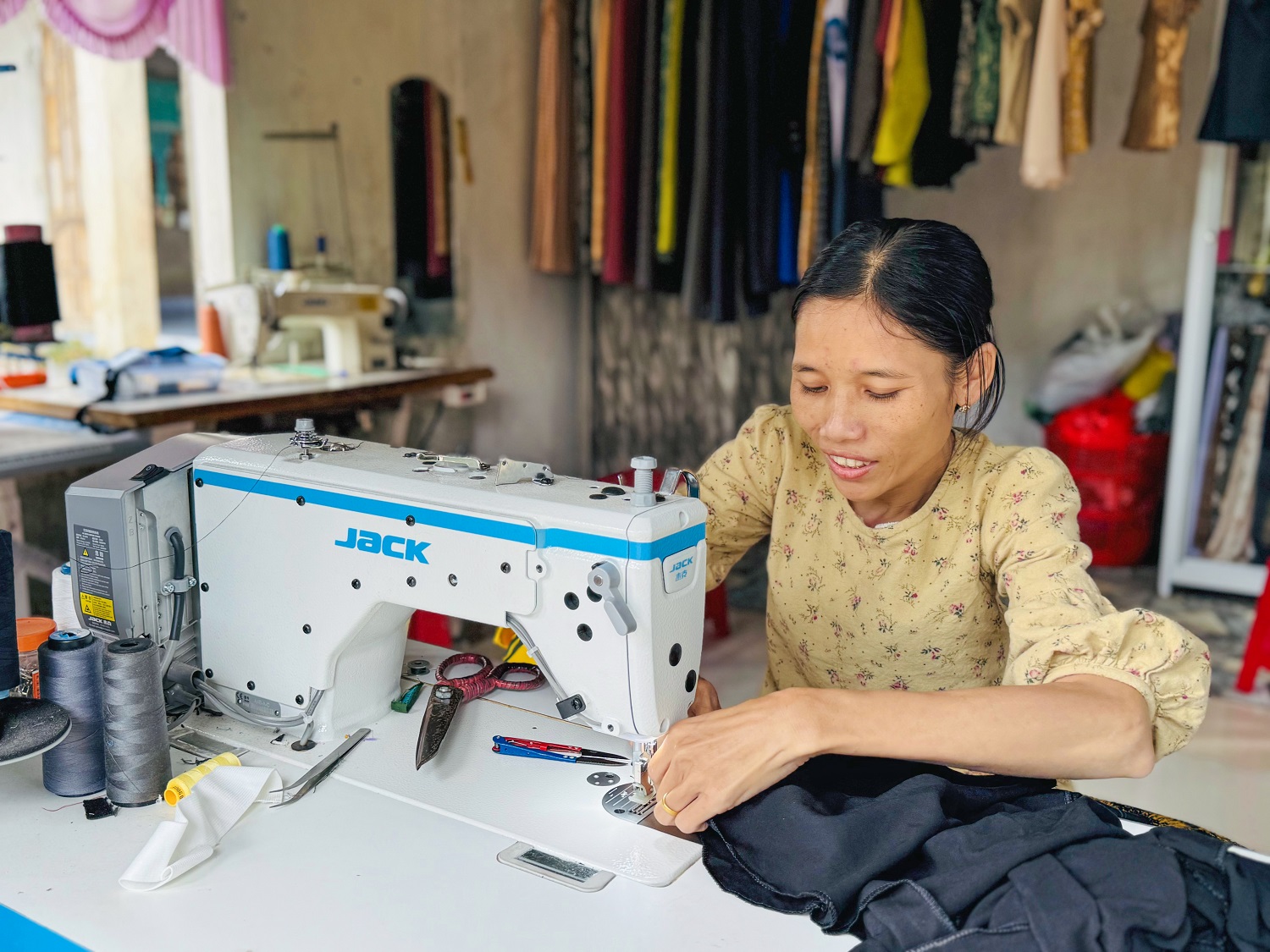
A woman with a disability finds joy and confidence in using an industrial sewing machine for garment production, steadily enhancing her skills and livelihood
A variety of livelihood models have been implemented, suitable for the health conditions and working capacities of persons with disabilities. These include 16 grocery businesses, 16 poultry-raising households, 2 Blind massage therapy services, 1 incense-making household, 2 photocopying services, 2 tailoring businesses, and 1 mechanical business. The selection of livelihood models was based on the actual needs of each household and local market conditions.
The midterm evaluation results show that most households of persons with disabilities receiving livelihood support have achieved stable operations and have gradually generated income for their families. Many livelihood models have performed well, aligning with the health conditions of PwDs and local market demand. For households newly implementing livelihood activities, additional income has increased by approximately VND 500,000 to VND 5 million per month. Meanwhile, households that had maintained stable livelihoods prior to the project have continued to record clear income growth. These results have contributed significantly to improving economic well-being, while also enhancing the confidence and proactiveness of persons with disabilities in developing sustainable livelihoods.
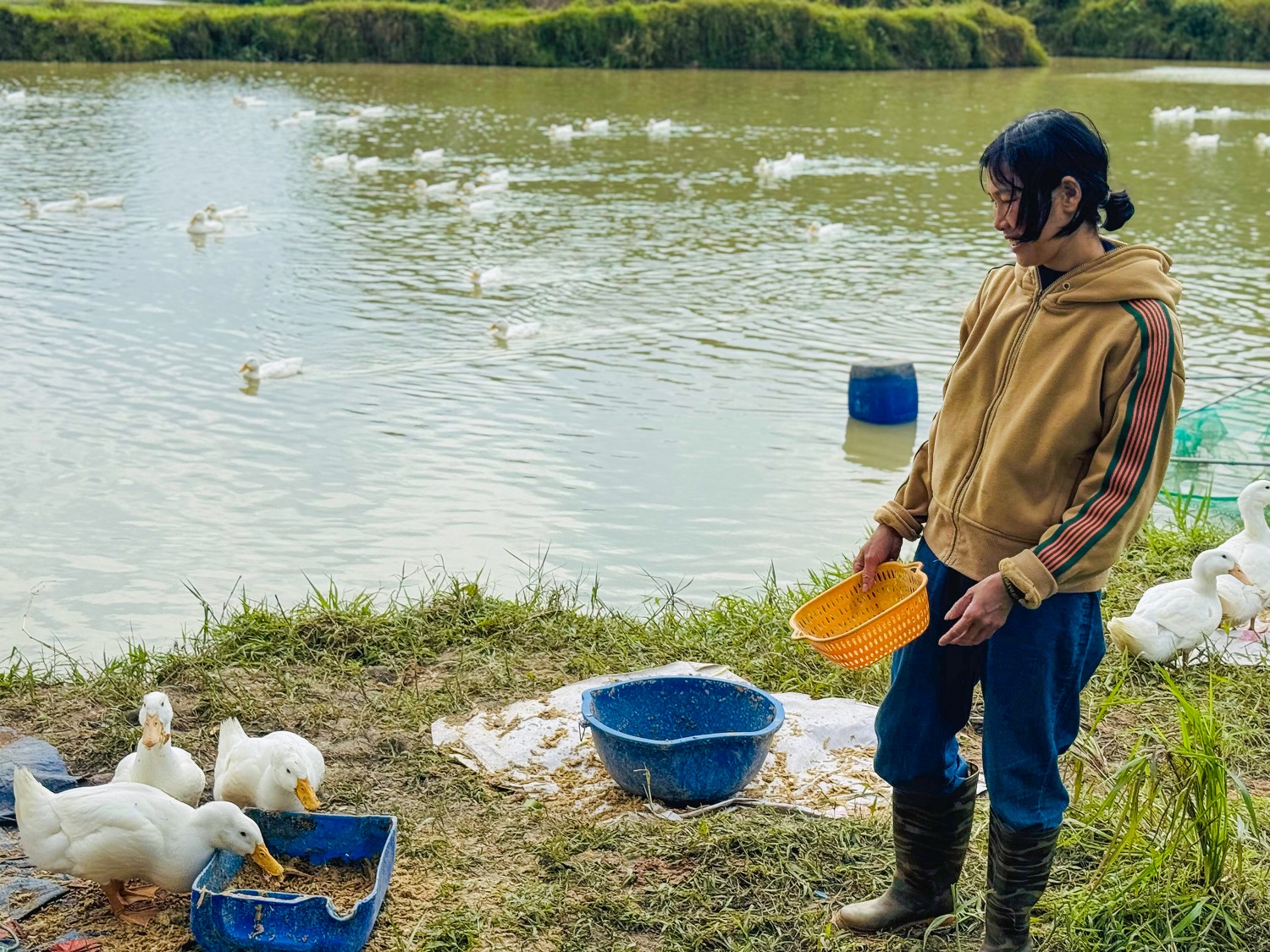
Households of persons with disabilities are carefully raising ducks, taking gradual but firm steps toward building a stable income through livestock farming
Alongside production and service-based models, livestock raising has also brought positive signs for many households of persons with disabilities in rural areas. Mr. and Mrs. H.V.T., an ethnic minority household of persons with disabilities in Ben Quan Commune, shared: “Our family used to be very poor. We took on any work that others hired us to do just to earn a living. Since receiving support from the project, my wife and I have been able to raise chickens and ducks. Recently, we sold 10 chickens for more than 2 million VND, which made us very happy. Afraid of spending all the money, we decided to buy more chicks to restock the flock. Thank you very much to the project.”
Alongside the positive results, the midterm evaluation also identified several challenges, including cold and rainy weather conditions, limited financial management experience, and the need for technical support among some households. Based on these findings, the Project will continue to strengthen monitoring, provide technical consultation, and deliver timely support to help households of persons with disabilities maintain and sustainably develop their livelihood models in the coming period.
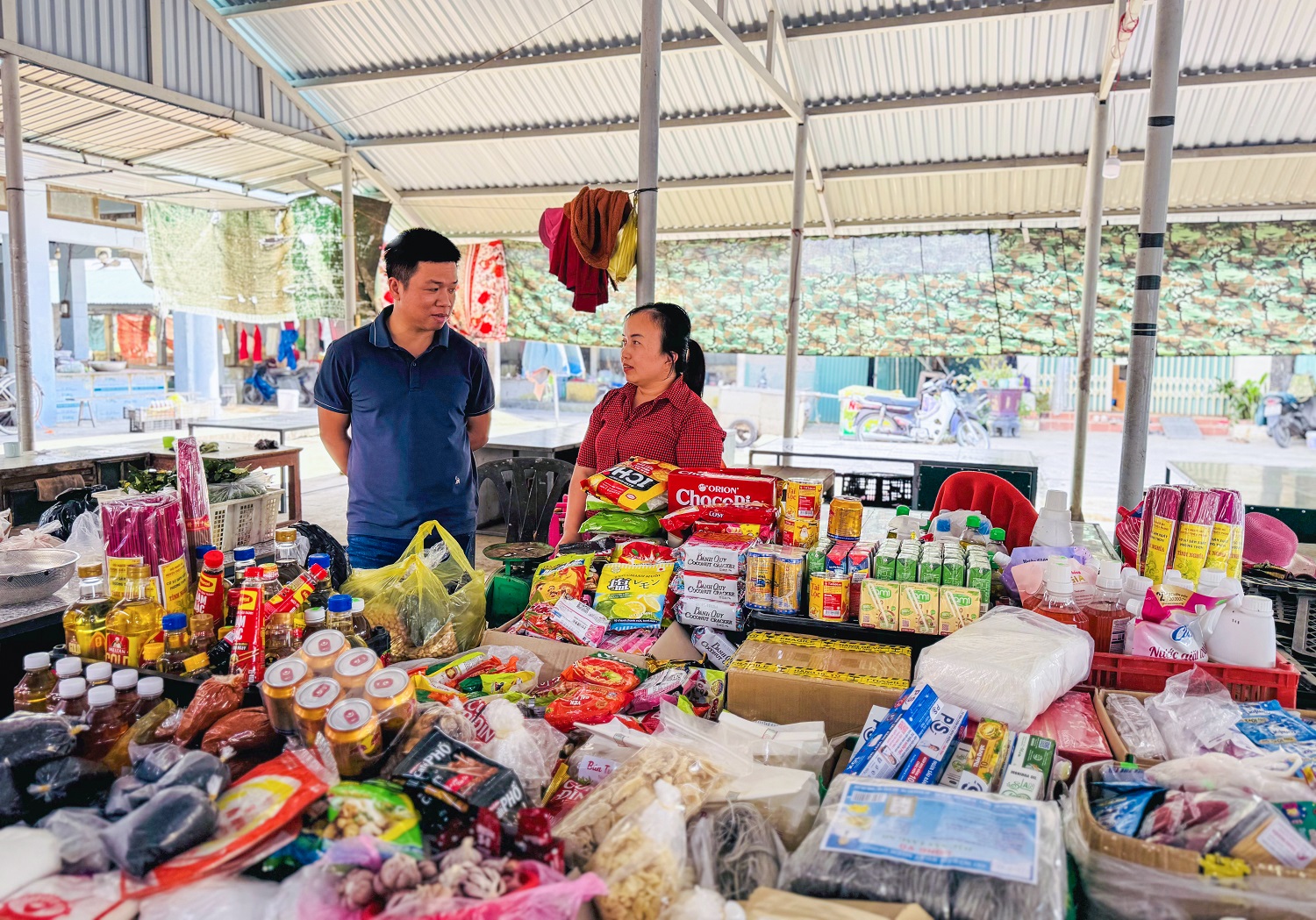
The grocery store model empowers households with persons with disabilities to secure sustainable income while meeting the daily needs of the local community
This activity is part of the Project “Supporting the Improvement of the Quality of Life of Persons with Disabilities in Provinces Heavily Affected by Agent Orange” in 3 central provinces/cities (The Inclusion I Project). The project is funded by the U.S. Embassy, with the National Center for Action on Toxic Chemicals and Environmental Contamination (NACCET) under the Ministry of National Defence as the project owner. ACDC is one of the implementing partners, operating under the management of the Center for Creative Initiatives in Health and Population (CCIHP).
Translator: Tang Ngoc Lam Giang