

Hoạt động

From 26 – 29th May 2026, Action to the Community Development Institute (ACDC), in coordination with the Quang Tri Association of People with Disabilities, Victims of Agent Orange, Protection of Persons with Disabilities’ Rights, Children's Rights, conducted an assessment of livelihood conditions and support needs among households of persons with disabilities and Agent Orange victims across 18 communes and wards in Quang Tri Province, including Dong Hoi, Hoan Lao, Truong Ninh, Ninh Chau, Nam Dong Ha, Hieu Giang, Con Tien, Gio Linh, Cua Viet, Cua Tung, Vinh Hoang, Vinh Linh, Ben Hai, Nam Cua Viet, Trieu Binh, Trieu Phong, Trieu Co, and Nam Hai Lang.
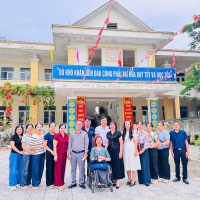
The assessment team, comprising consultants, ACDC staff, representatives of the Quang Tri Association of People with Disabilities, Victims of Agent Orange, Protection of Persons with Disabilities’ Rights, Children's Rights in Quang Tri province, surveyed 42 households of persons with disabilities and Agent Orange victims. The assessment collected information on household economic conditions, labor resources, production experience, and livelihood support needs.
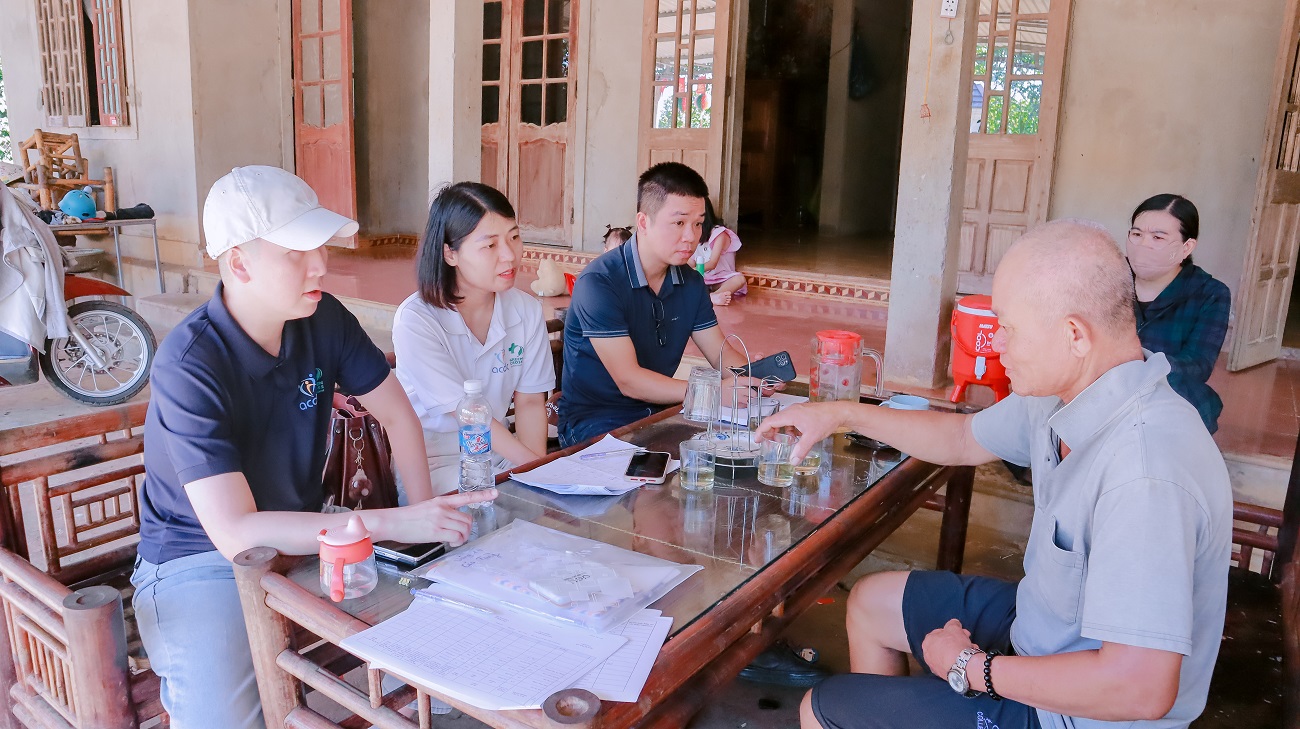
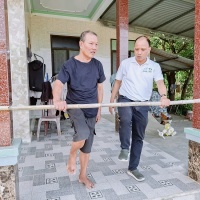
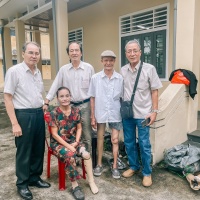
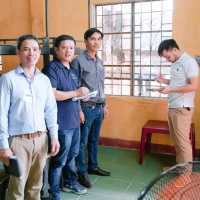
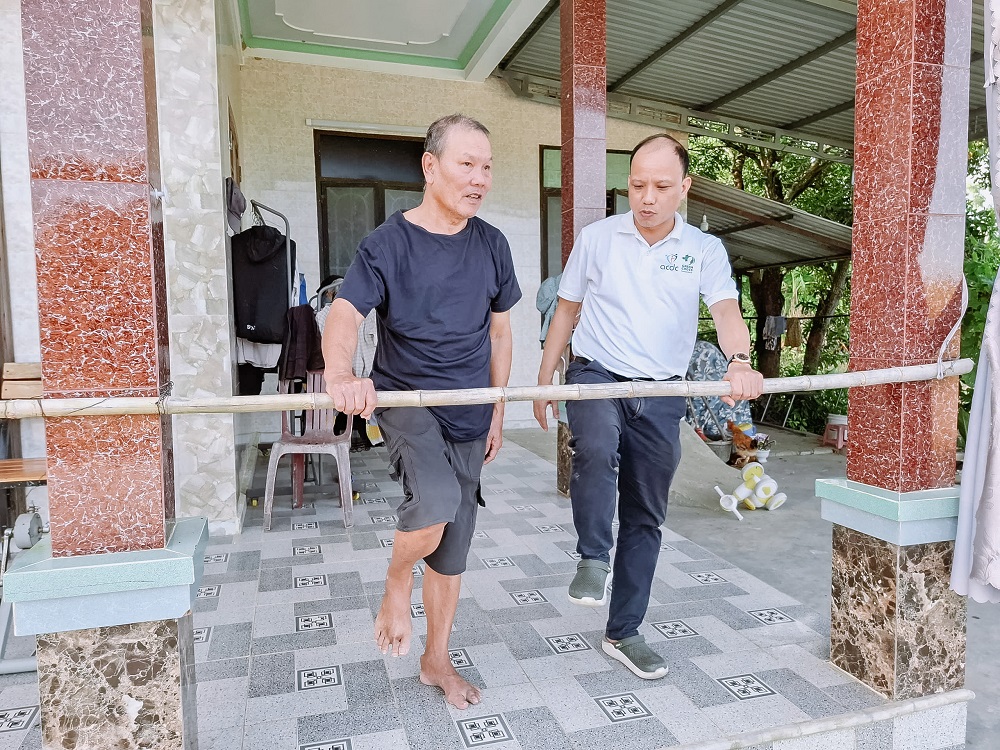
The assessment team from ACDC Institute and consultants visited households of persons with disabilities and Agent Orange victims to discuss and collect information on their living conditions and livelihood support needs
Through this activity, the team evaluated available resources and identified livelihood models suited to each household’s circumstances. Recommended options included livestock raising such as chickens, pigs, and cattle, as well as small-scale service businesses including tailoring, grocery shops, beverage stalls, and hair-washing services. These models aim to generate additional income, improve living conditions, and strengthen the economic self-reliance of persons with disabilities, Agent Orange victims, and their families.
The assessment findings will serve as an important basis for the project to select at least 20 eligible households for future livelihood support. Many households expressed their appreciation when the team visited them directly, learned about their circumstances, and provided livelihood guidance and consultation.
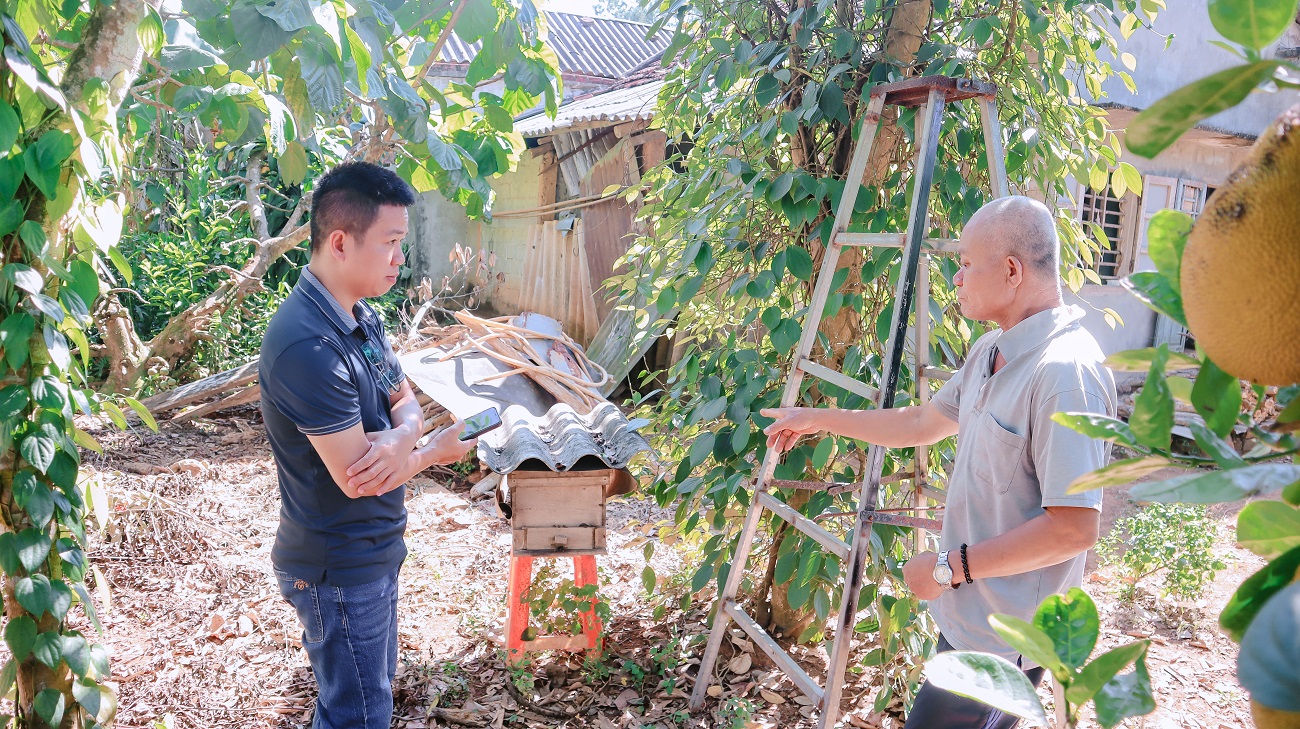
Consultants assessed the actual conditions of households of persons with disabilities and provided guidance on suitable livelihood models to support production development and improve income
Ms. T.T.B., a person with a disability from Con Tien Commune, shared: “My family is currently facing difficulties with our pig housing facilities. If we receive support from the project, we will have better conditions to maintain and expand our pig farming activities more effectively, improve environmental sanitation, and make it easier for me to care for and manage the livestock. I am grateful to the project for visiting our home, listening to our concerns, and encouraging our family.”
Similarly, hoping for additional resources to expand production activities, Mr. L.N.T., an Agent Orange victim from Truong Ninh Commune, said: “My family has two persons with disabilities, and our economic situation remains very challenging. We have very limited capital for production. We are hesitant to take out loans with interest because we worry about our ability to repay them. Having representatives from ACDC and the Association come to our home to understand our circumstances and livelihood needs is deeply meaningful to us. If our family receives livelihood support from the project, it will be a great source of motivation and support, enabling us to expand production, increase our income, and continue striving for a better life.”
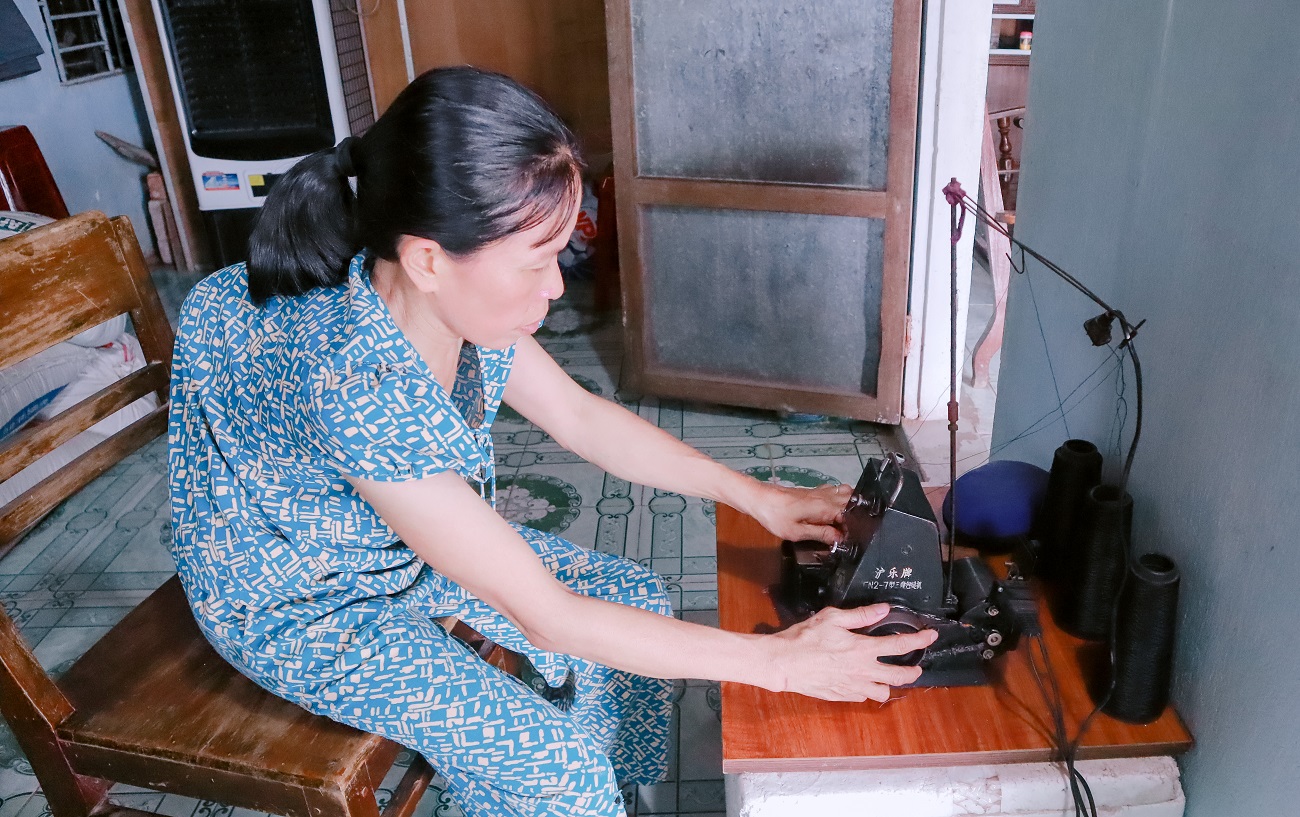
A person with a disability uses a sewing machine at home, representing one of the small-scale livelihood models assessed for potential support in the coming period
For Ms. N.T.T., an Agent Orange victim in Truong Ninh Commune, the challenges are even greater, as her household includes four persons with disabilities:“I am an Agent Orange victim, and my family currently has four persons with disabilities. In the past, when family members were in better health, we raised livestock to supplement our income. However, everyone’s health has now declined. My two sons are persons with disabilities, while my husband frequently falls ill and requires medication costing approximately VND 1,000,000 per month. Our household income now mainly comes from social allowances and a small grocery shop, so life remains very difficult. We hope to receive livelihood support to improve our income and meet our daily living needs.”
The project aims to support appropriate livelihood models for persons with disabilities and Agent Orange victims, thereby strengthening their motivation and confidence while demonstrating community solidarity. Through these efforts, beneficiaries will have greater opportunities to improve their living conditions, gradually enhance their social inclusion, and pursue sustainable development.
This activity is part of the project “Improving the Quality of Life of Persons with Disabilities in Quang Tri Province” for the 2026 period, funded by Green Cross Switzerland (GCCH) through Action to the Community Development Institute (ACDC).