

Hoạt động

In order to support livelihood development models, improve the quality of life, and promote social inclusion of persons with disabilities, from August 16 - 18, 2025, Action to the Community Development Institute (ACDC), in collaboration with the Quang Tri Organisation of People with Disabilities, conducted a survey on the current situation and livelihood support needs of households with persons with disabilities in the province.
This activity is part of the project “Enhancing livelihood and well-being of persons with disabilities in Quang Tri province, Vietnam", funded by Green Cross Switzerland (GCCH).
The survey was carried out with 22 households of persons with disabilities in several communes, including Trieu Binh, Trieu Co, Trieu Phong (former Trieu Phong district); Hieu Giang (former Cam Lo district); Gio Linh, Ben Hai, Con Tien (former Gio Linh district); Vinh Linh, Vinh Thuy, Vinh Hoang (former Vinh Linh district), among others.
The activity aims to assess the capacity, conditions, and livelihood needs of each household; identify advantages and challenges in production activities; and propose suitable, feasible, and sustainable livelihood models. Based on this, households will be selected to receive support in developing livelihood models. Selection will follow specific criteria, giving priority to households that are victims of Agent Orange or landmines; households with women with disabilities participating in livelihood activities; and models that are appropriate to the actual conditions of the households and localities, feasible, sustainable, and with minimal negative environmental impact.
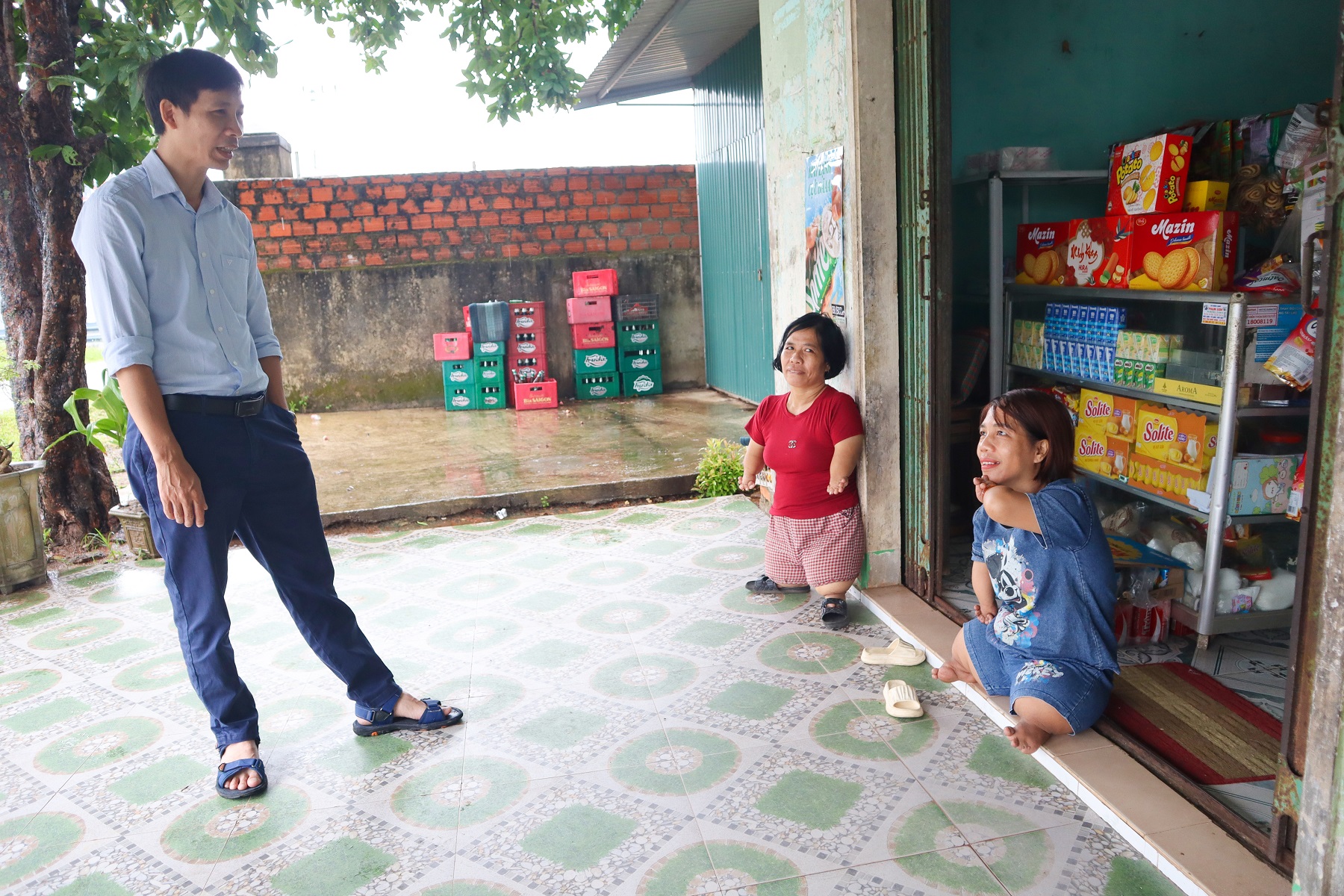
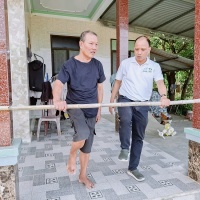
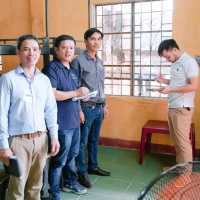
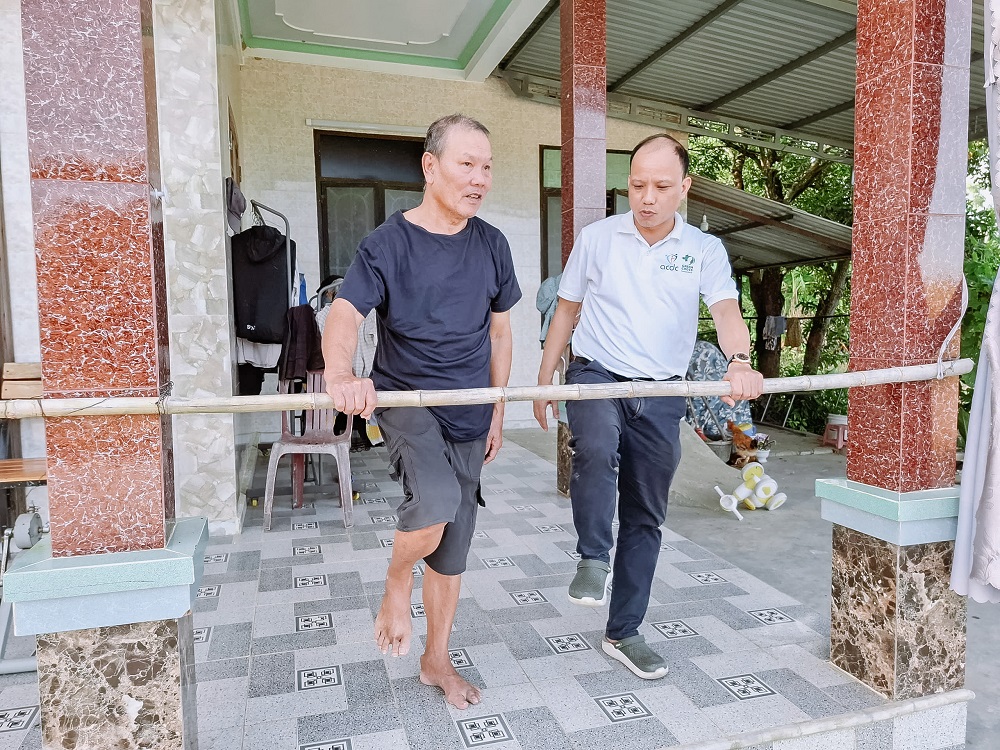
Image: Officials conduct a household visit to assess and explore livelihood support needs of persons with disabilities
Ms. L.T.H, a woman with disabilities in Hieu Giang commune, shared: “My sister and I are both persons with disabilities, and I am raising two small children. We have a small grocery shop, but since we lack capital, we can only sell a few items, and the income is very unstable. If the project could support us, I would expand the shop and add new products. My wish is to stabilize our livelihood so I can take care of my children’s future.”
Ms. T.T.D, a person with disabilities in Con Tien commune, said: “After my accident and several surgeries, my health is very limited. My daughter has just entered her first year at university, but due to our difficult financial situation, she had to temporarily suspend her studies and work to help support the family. We already have pigsties, but without capital, we cannot restock pigs. I hope the project can support us so that we can continue livestock farming, stabilize our life, and provide conditions for my daughter to return to school.”
Mr. T.T.A, from Vinh Hoang commune, expressed his hope: “Both my wife and I are visually impaired, and my mother is completely blind. I used to work at the District Blind Association but since it was dissolved, I have not had a stable job. My family has some land, and I plan to grow more pepper for long-term income. We also raise pigs and chickens, but the pigs are currently affected by disease and cannot be sold. I wish to receive support to expand poultry farming, improve our livelihood, and secure stable income.”
The survey results will serve as a foundation for the project to develop practical livelihood support plans, helping households with persons with disabilities stabilize their income, strengthen financial independence, and thereby gain confidence in life and contribute to community development.