

Hoạt động
In November 2021, 04 training courses on independent living and field consultancy skills were conducted in Hai Truong, Hai Duong, Hai Que, Hai Lam, Hai Phong communes in Hai Lang district and Ho Xa town, Vinh Son commune of Vinh Linh district, Quang Tri province in 2 sessions on November 10-12 and November 17.
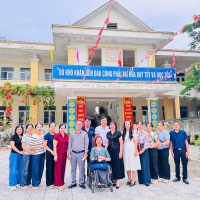
The activity aims to provide independent life knowledge and skills for persons with disabilities, thereby helping persons with disabilities live more confidently and independently. Above all, the program expects students to share their learned knowledge about living independently with other persons with disabilities in their locality and introduce the approachable home model. Overcoming the obstacles of the stormy season, 143 officials working on the work related to persons with disabilities, persons with disabilities and family members actively participated, shared, and contributed opinions at the training sessions.
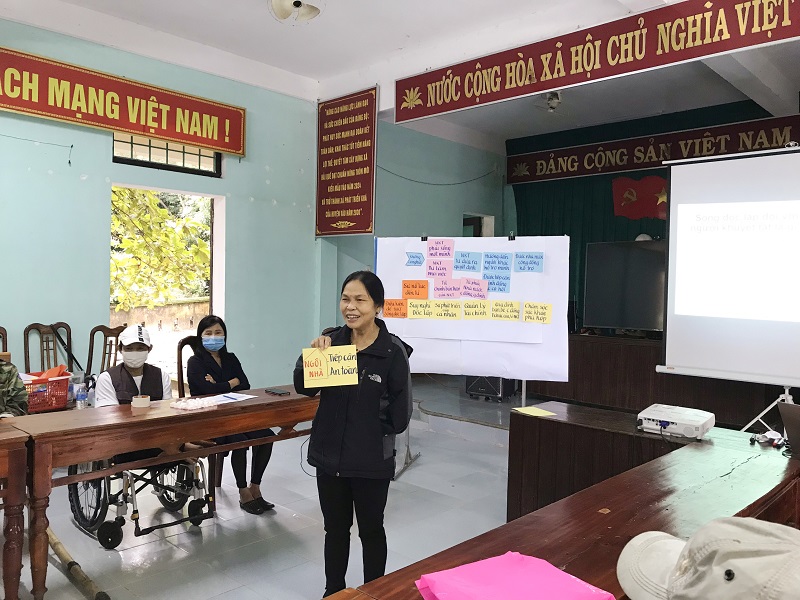
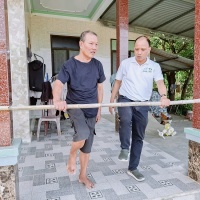
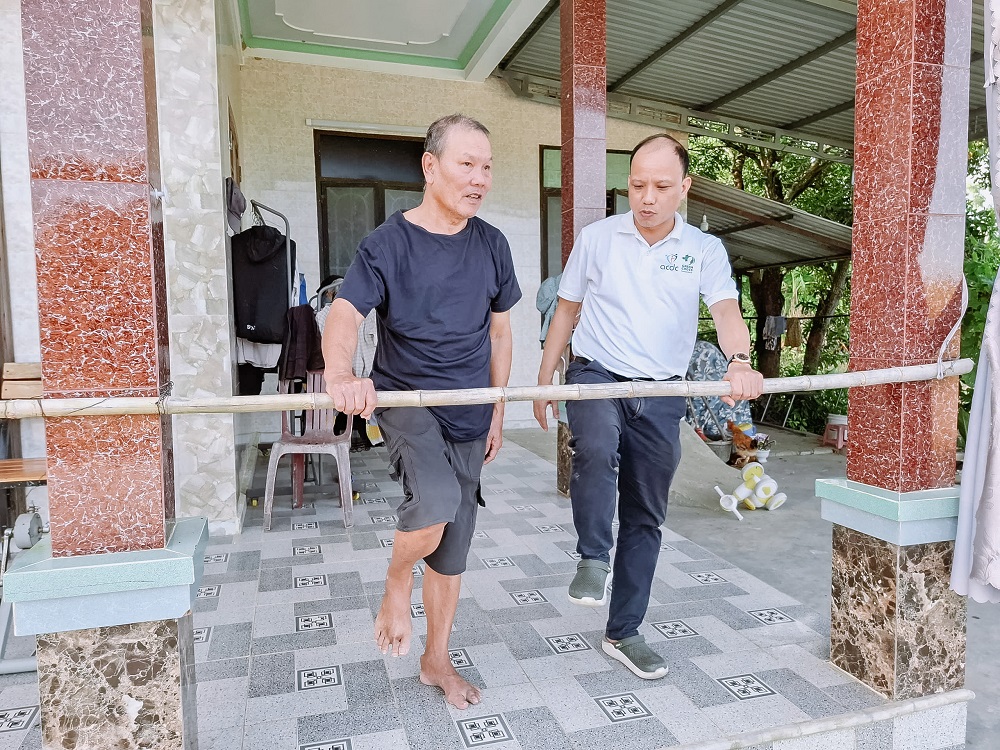
Source lecturers who are persons with disabilities guided content on independent living for practitioners
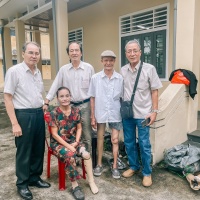
To ensure safety in Covid prevention, training classes are divided into small groups. Visiting and sharing at the training classes were Mr. Thai Vinh Lieu – Chairman of the Association of Persons with disabilities, Victims of Agent Orange, Support for Persons with disabilities and Children's Rights of the province, Mr. Nguyen Tuan Thap – Chairman of Hai Lang District Association of Persons with disabilities and leaders of communes.
Mr. V.T.H, Vice Chairman of Hai Duong Commune People's Committee said: "Thank you for the ACDC’s project, thank you to the province and Hoi district for bringing support to the disadvantaged in society. Commune leaders always have responsibility and recognize the contributions of persons with disabilities to the community and society, and also want their relatives to make efforts, be confident, overcome difficulties, know how to live independently to build each family to have a happy life."
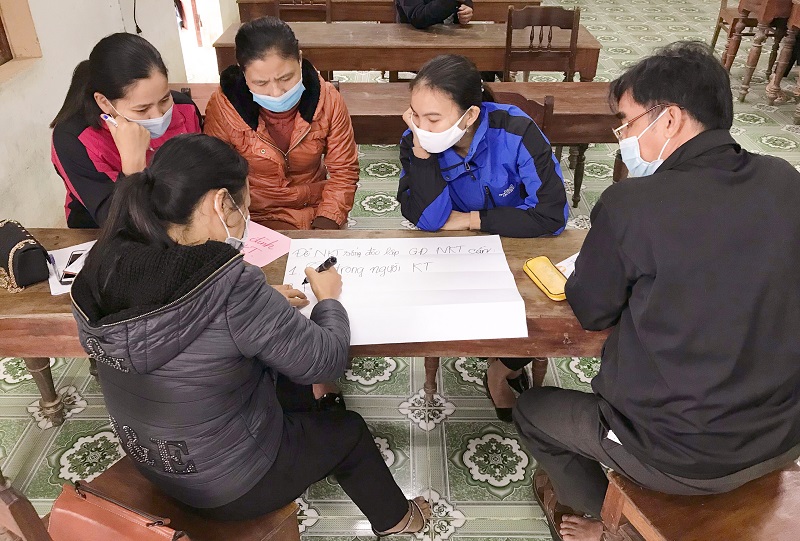
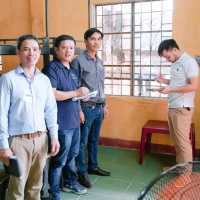
Students actively exchanged and shared information with each other.
Thanks to the enthusiastic guidance of the trainers who are members of the disability group of the lecturers of the same source of counseling, the students have shared enthusiastically in the training:
"Persons with disabilities have to make their own decisions and take responsibility for their decisions because it's the result, no matter they are right or wrong. Besides, persons with disabilities should not be over-reliant on the help of others, unless they have tried but cannot do it on their own." - Mr. T.H, a person with a particularly severe motor impairment in Hai Duong commune shared.
Or Ms. T.T.T, a person with mobility disabilities in Hai Truong commune confided: "Today I came here to study. Having watched the video showed at the event, I learned about the supportive house model– safe for persons with disabilities, I will install more handrails in the bathroom, toilet to make it more convenient to live so that I don't have to be over-reliant on my children anymore. I will also recommend to my friends who are also persons with disabilities so that they can know about this and renovate their homes to suit their conditions and disability status."
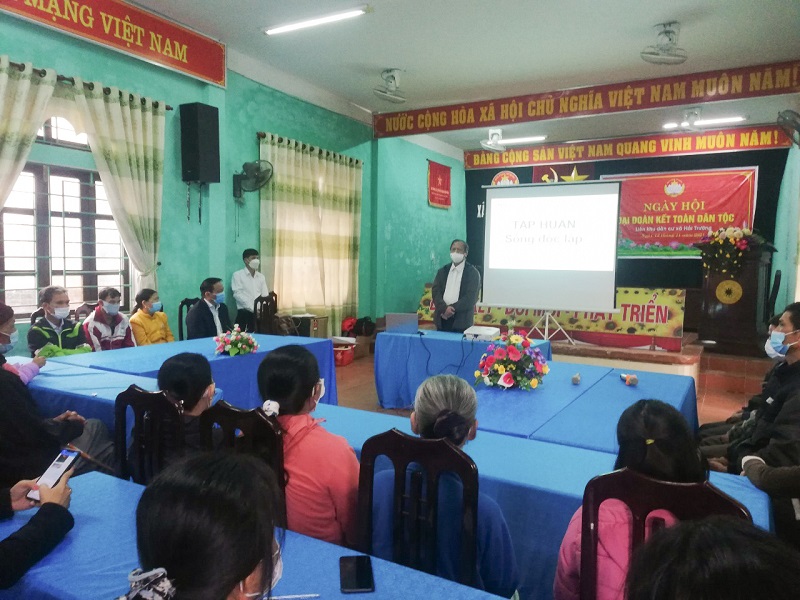
The training courses are carried out within the framework of the project "Improving the independent living status of persons with disabilities" jointly implemented by Humanity & Inclusion Vietnam (HI) and ACDC Vietnam in Quang Tri. In the coming time, the project will continue to implement other activities to improve and improve the quality of life for persons with disabilities in the locality.