

Hoạt động
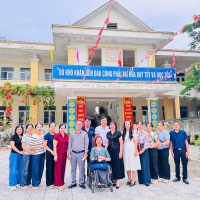
On July 28, 2022, the Workshop on “Reporting survey results of gender-based violence against women and girls with disabilities” took place in Quang Tri. The activity was jointly held by ACDC and the Organization of Persons with Disabilities, Agent Orange Victims, Protecting Persons with Disabilities and Protecting Children's Rights.
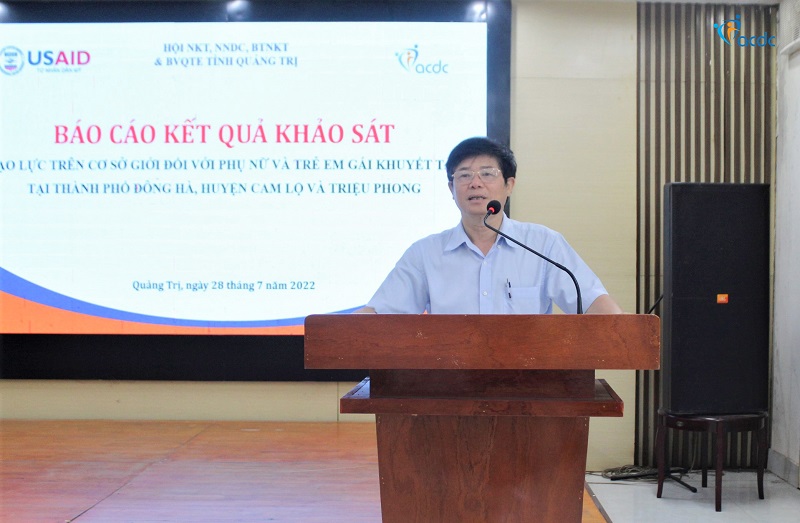
Prof. Dr. Nguyen Huu Minh – Senior Researcher of the Family and Gender Studies Institute – President of the Vietnam Sociological Association presented the survey results
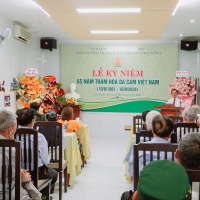
Prof. Dr. Nguyen Huu Minh - Senior Researcher of the Family and Gender Studies Institute - President of the Vietnam Sociological Association instructed and shared the survey results at the workshop. More than 30 delegates who are representatives of Departments such as Health; Culture; Sports and Tourism; Labor, Invalids and Social Affairs; Provincial Legal Aid Center; Women's Union; and other Divisions of districts and communes in the province, for example, the Division of Justice; Division of Labor, Invalids and Social Affairs; Medical Center; Women's Union; The Organization of Persons with Disabilities attended.
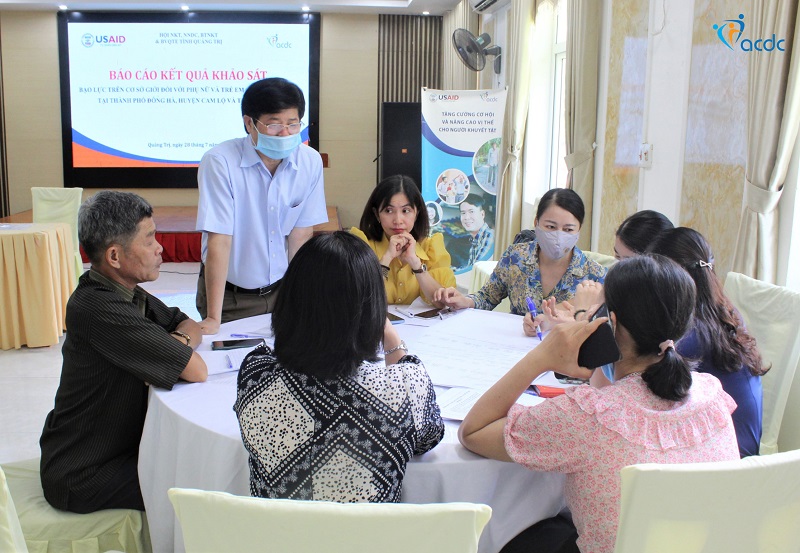
Officials from relevant departments discussed measures to prevent gender-based violence against women and girls with disabilities
The report highlighted the outstanding results of the Gender-Based Violence Survey, which was conducted with 150 women and girls with disabilities in Dong Ha city, Cam Lo, and Trieu Phong district, Quang Tri province at the end of March 2022. Accordingly, 48/150 interviewees had experienced violence recently, including being humiliated or insulted (accounting for 27.1%); intimidation (accounting for 16.7%); getting hit, punched, kicked, etc. (accounting for 14.6%); being sent obscene letters, texting, flirting (accounting for 14.6%); being hugged, kissed, touched body parts, genitals (accounting for 8.3%) and forced to have sex by men (accounting for 6.3%). 5 acts of violence had occurred most often against women and girls with disabilities, including 01 physical violence, 02 acts of mental violence, and 02 acts of sexual violence. The highest percentage was 19.3% of women and girls with disabilities who had been “insulted or insulted by their parents, siblings, husband/male partner”. This is an ongoing and alarming reality. Therefore, the workshop is an opportunity for stakeholders to know the status of gender-based violence against women and girls with disabilities in the province, and at the same time, propose measures and inter-sectoral coordination mechanisms to prevent gender-based violence against women and girls with disabilities in the province.
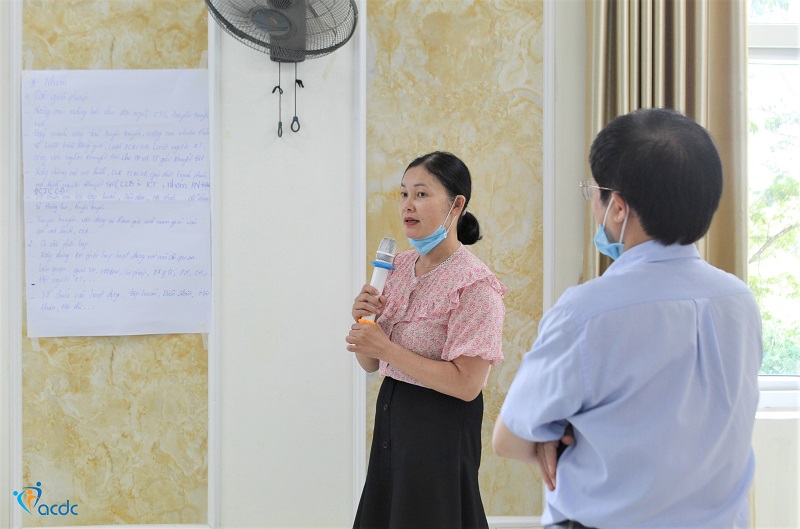
Many practical solutions were proposed by participants
In fact, there is a Committee for the Advancement of Women from the provincial to grassroots levels and there have been many activities related to domestic violence prevention. However, most of the participants agreed that none of their activities related to the prevention of gender-based violence against women and girls with disabilities. Hence, several solutions were proposed at the workshop. For instance: Building and effectively implementing regulations on coordination of activities (assigning specific functions and tasks of Departments/Divisions/Unions in preventing gender-based violence against women and girls with disabilities); making a hotline to support when there are cases that need help; promoting propaganda and awareness raising on the Law on Persons with Disabilities, the Law on Gender Equality, the Law on Prevention of Domestic Violence, etc. In addition, the participation of the Organization of Persons with Disabilities in the Committee for the Advancement of Women is also crucial to bring more attention to the voices of persons with disabilities and to promote the sharing of information on gender-based violence against women and girls with disabilities.
The activity is within the framework of the project "Raising voices, creating opportunities for persons with disabilities – II” funded by USAID.