


Activity
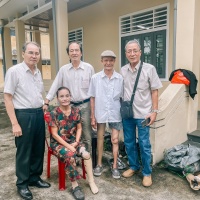
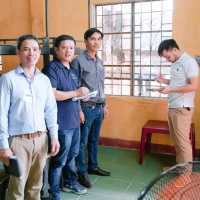
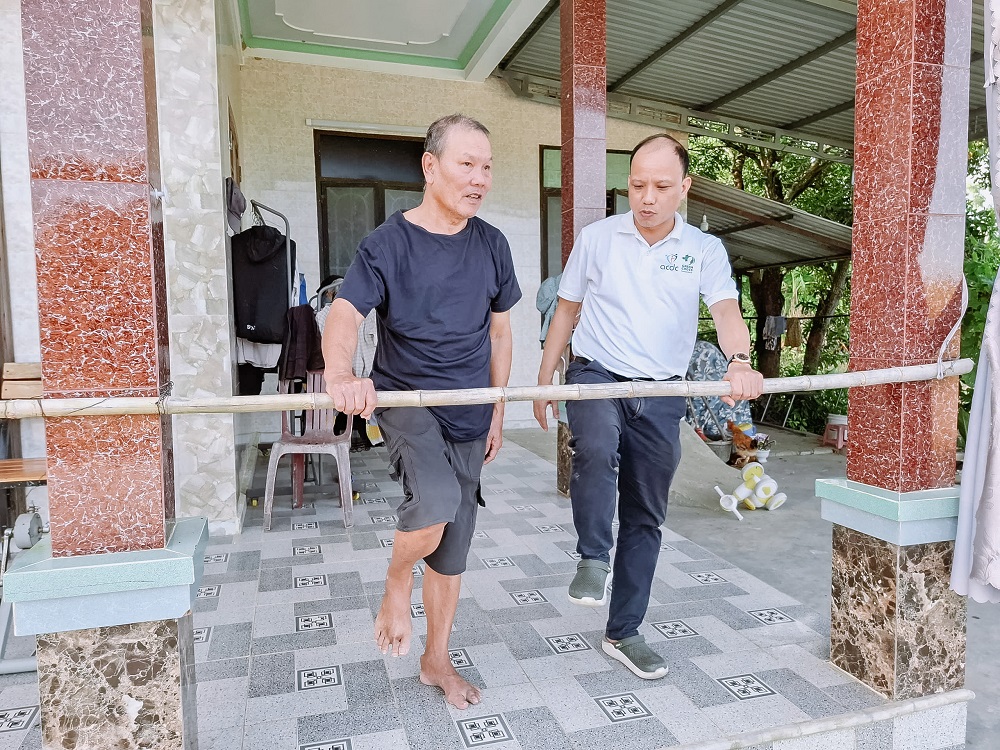
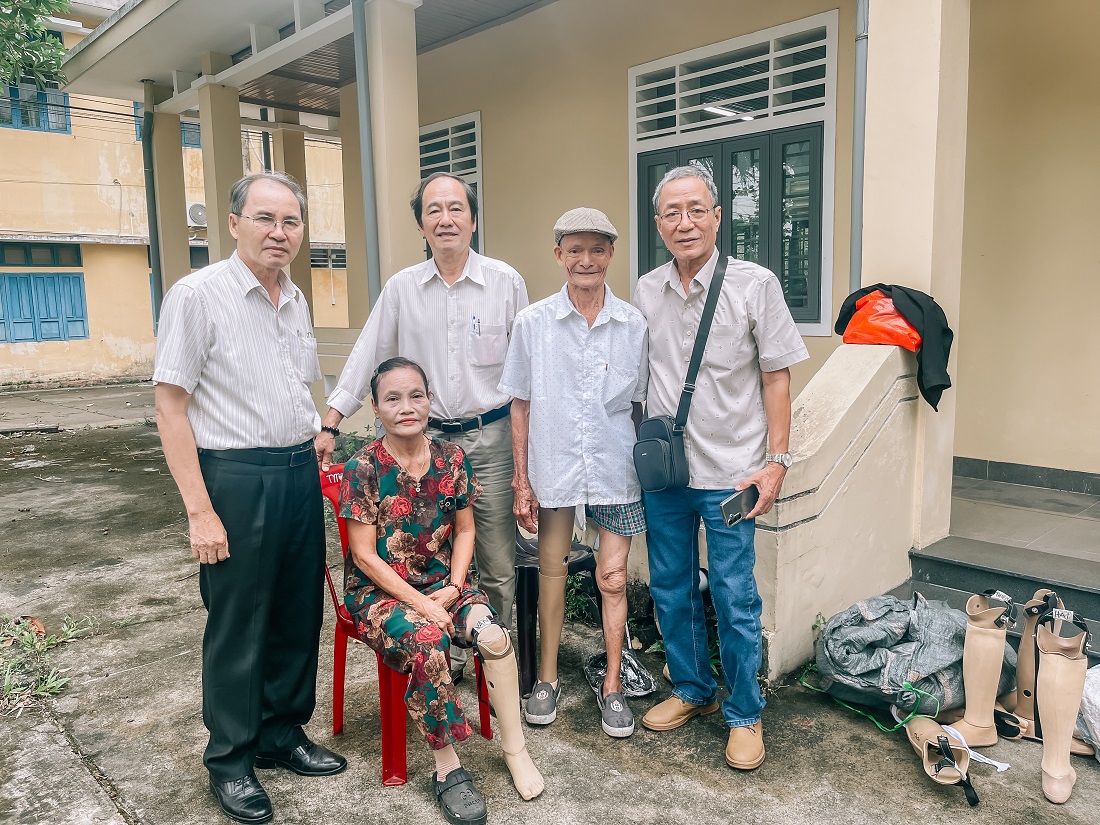
On 25 – 26 June 2026, the Action to the Community Development Institute (ACDC), in collaboration with the Hue City Association for the Protection of the Rights of Persons with Disabilities and Orphans, the People's Committees, and Health Stations of 11 communes and wards in Hue City, conducted case opening, assessment, and assistive device prescription activities for more than 75 persons with disabilities and Agent Orange victims. This marks the first step in a series of activities “Providing assistive devices for persons with disabilities and Agent Orange victims”, following the functional screening and rehabilitation needs assessment conducted in May 2026. The activity is part of the Project "Supporting Livelihoods and Improving the Quality of Life for Persons with Disabilities and Agent Orange Victims in Hue City", funded by Green Cross Switzerland (GCCH) through ACDC.
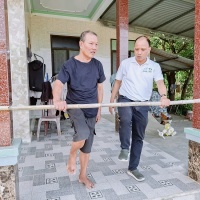
The activity was carried out through home visits to beneficiaries living in the communes and wards of A Luoi 1, A Luoi 2, A Luoi 3, A Luoi 4, A Luoi 5, Dan Dien, Quang Dien, Phu Bai, Thanh Thuy, Phong Dien, and Phong Thai. Building on the information collected during the initial screening and assessment, rehabilitation physicians and therapists visited each beneficiary's home to conduct comprehensive assessments that would serve as the basis for prescribing assistive devices tailored to each individual's functional needs and living conditions.
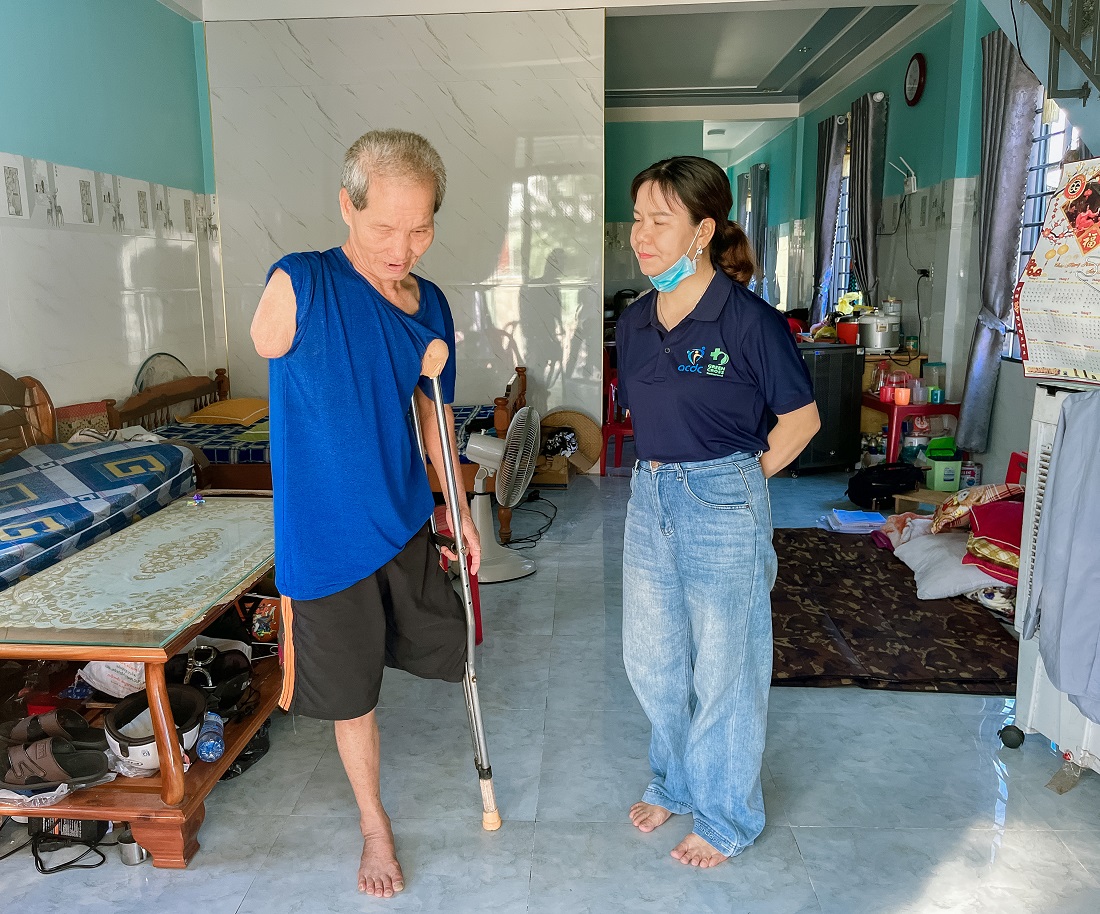
During each home visit, the rehabilitation team conducted a comprehensive assessment of the beneficiary's functional status, mobility, daily living activities, housing conditions, living environment, and the barriers they encounter when accessing and using assistive devices. Home-based assessments also enabled the team to directly observe key aspects of the living environment, including pathways, flooring, bathrooms, bedrooms, and the beneficiary's daily routines. These factors are essential for determining the most appropriate type of assistive device, as well as its size, technical specifications, and intended use, thereby ensuring effectiveness, safety, and long-term usability.
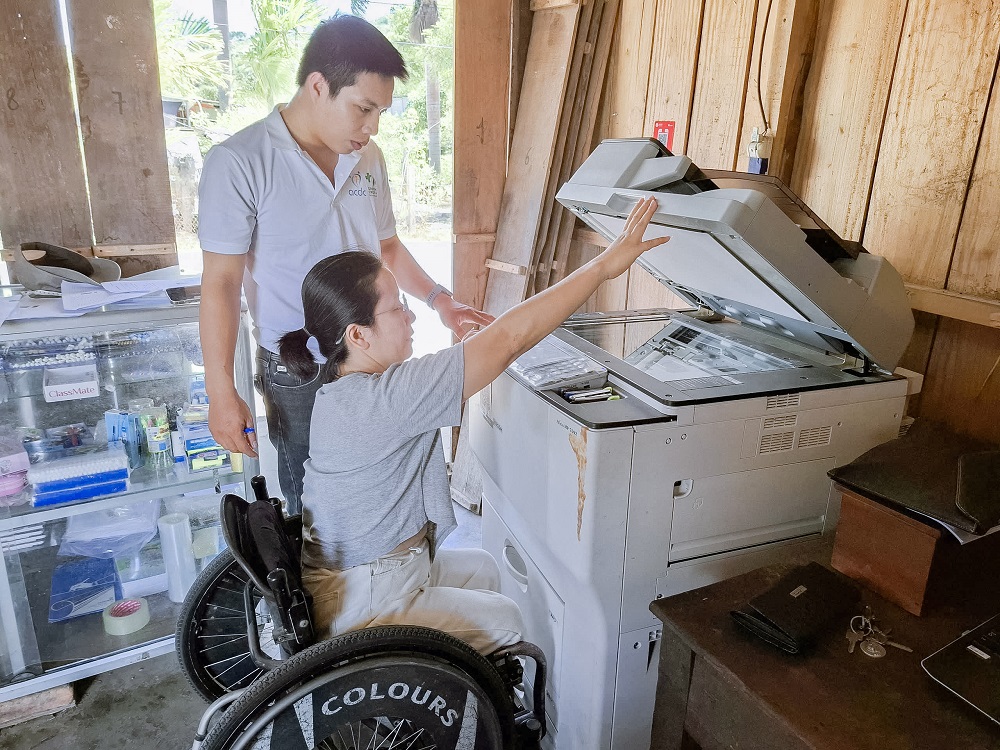
Home-based case opening and assistive device prescription are critical steps in the assistive device provision process, ensuring that each beneficiary receives the device best suited to their functional needs, living conditions, and ability to use it independently. Following the completion of the assessments and prescriptions, ACDC will consolidate the results, procure and assemble the prescribed devices, distribute them to beneficiaries, and provide user training, follow-up, maintenance, and post-intervention evaluations.
Through this activity, ACDC expects that persons with disabilities and Agent Orange victims will gain access to appropriate assistive devices that enhance mobility, increase independence in daily living, reduce barriers in everyday life, and create greater opportunities for participation in family and community activities. Ultimately, the initiative aims to improve quality of life and promote sustainable social inclusion.
Translator: Nguyen Dac Thanh