

Activity

From May 26 – 28, 2026, the Action to the Community Development Institute (ACDC), in collaboration with the Hue Association of Persons with Disabilities, Social Protection for Persons with Disabilities and Orphans, and local authorities, conducted an assessment of housing, bathroom, and living environment accessibility needs for persons with disabilities and Agent Orange victims in Hue City.
The activity was implemented under the project “Livelihood Support and Quality of Life Improvement for Persons with Disabilities and Agent Orange Victims in Hue City,” funded by Green Cross Switzerland (GCCH) through ACDC. The assessment aimed to evaluate the current condition of housing, sanitation facilities, living environments, and accessibility barriers faced by persons with disabilities and Agent Orange victims, thereby identifying suitable improvement solutions to enhance independent living, safety, and convenience in daily life.
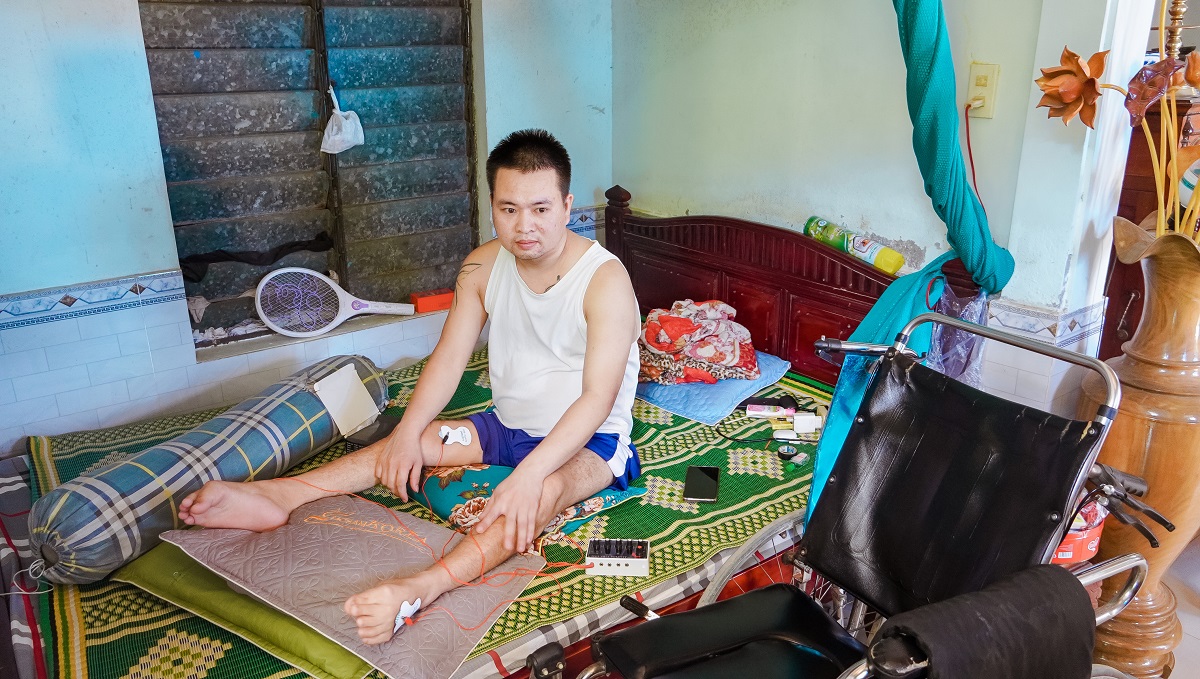
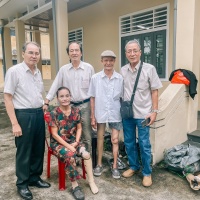
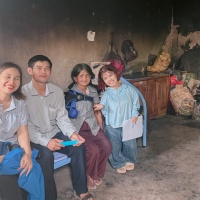
Persons with disabilities share information about their living conditions and their needs for accessible housing and bathroom improvements to ensure greater safety and convenience in daily life
During the three–day assessment, the survey team–comprising representatives from ACDC, the Hue Association of Persons with Disabilities, Social Protection for Persons with Disabilities and Orphans, a technical consulting unit, and local government representatives–conducted household visits to more than 40 households of persons with disabilities and Agent Orange victims in Phong Thai Ward, Phu Bai Ward, and the communes of A Luoi 1, A Luoi 2, A Luoi 3, A Luoi 4, and A Luoi 5.
At each household, the team collected information on the type and severity of disability, current living conditions, and accessibility to housing, bathrooms, and other essential facilities. Team members also met directly with persons with disabilities and their family members to better understand the challenges they face, as well as their needs and aspirations for improving their living environment in ways that are appropriate to each household’s circumstances.
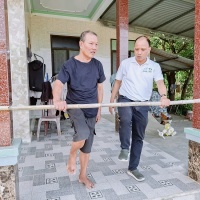
The assessment revealed that accessibility to housing and sanitation facilities remains significantly limited for many persons with disabilities and Agent Orange victims. Most homes and facilities were constructed many years ago and have deteriorated over time, making them unsuitable for safe and independent use. Common barriers include uneven floor levels, narrow pathways, the absence of handrails, and a lack of other essential accessibility features needed for independent mobility and daily activities.
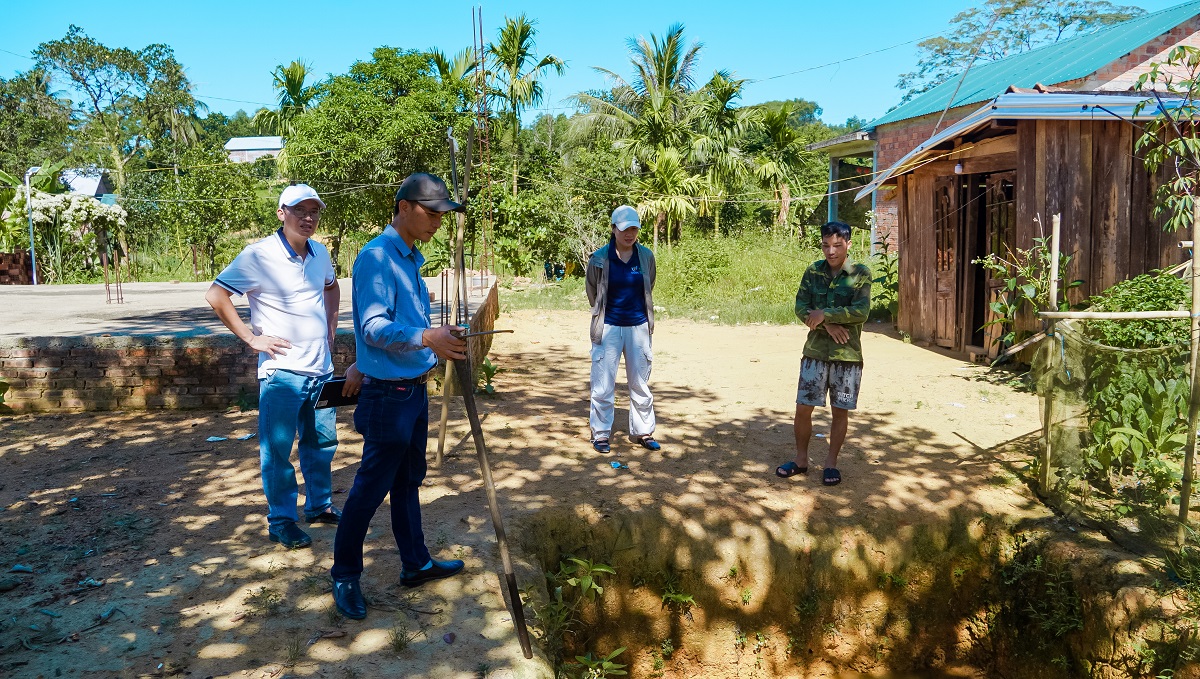
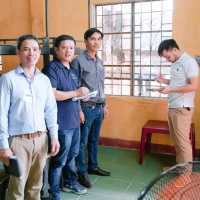
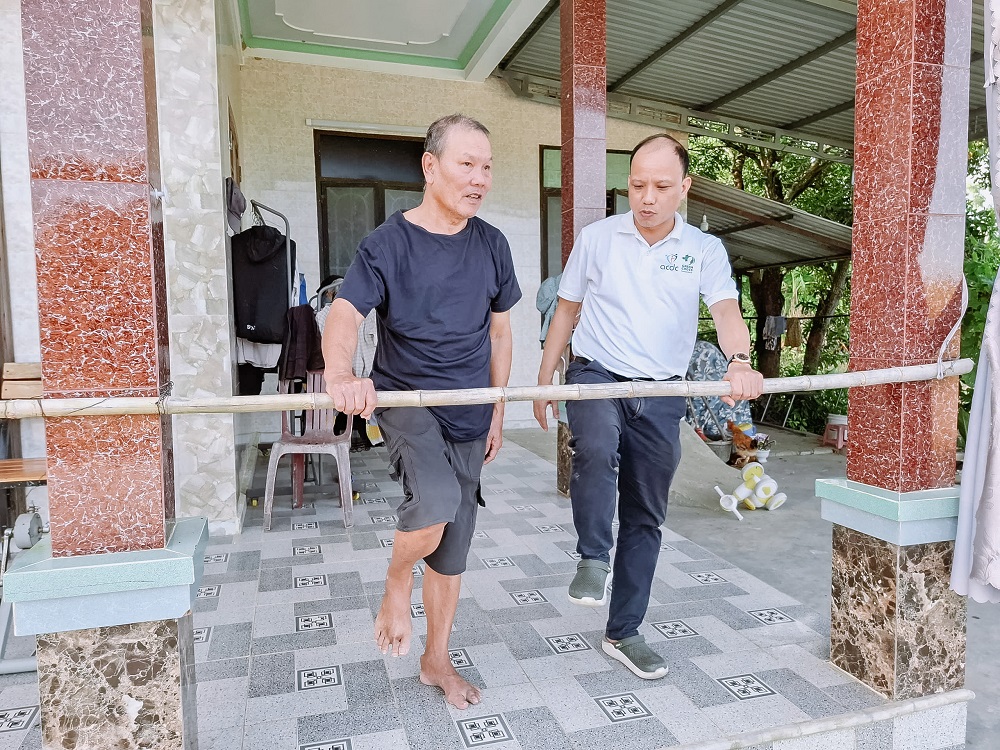
The assessment team evaluates the condition of housing, pathways, and sanitation facilities at the homes of persons with disabilities in Hue City to identify appropriate accessibility improvement solutions
Particularly in the A Luoi area, many households facing economic hardship still lack durable sanitation facilities. Some families rely on temporary structures made from basic materials, while others must use bathrooms located far from their main living areas. These conditions not only create daily inconvenience but also pose significant safety risks, especially for persons with mobility impairments, wheelchair users, and older family members.
Preliminary findings indicate a substantial need for accessible housing and bathroom improvements for persons with disabilities. The assessment results will serve as an important basis for selecting eligible households and designing practical support interventions that can improve living conditions, strengthen independent living, and promote the social inclusion of persons with disabilities within the community.
Following this assessment, ACDC will continue working closely with relevant stakeholders to identify households that meet the project criteria and implement accessibility improvement support activities in the coming period.
Translator Nguyen Dac Thanh