

Activity

From 3rd – 7th June 2026, ACDC, in collaboration with local partners, conducted a livelihood needs assessment for 51 persons with disabilities and Agent Orange victims across 12 communes and wards in Hue City. The assessment results will serve as a basis for designing support packages tailored to the specific circumstances and needs of each household.
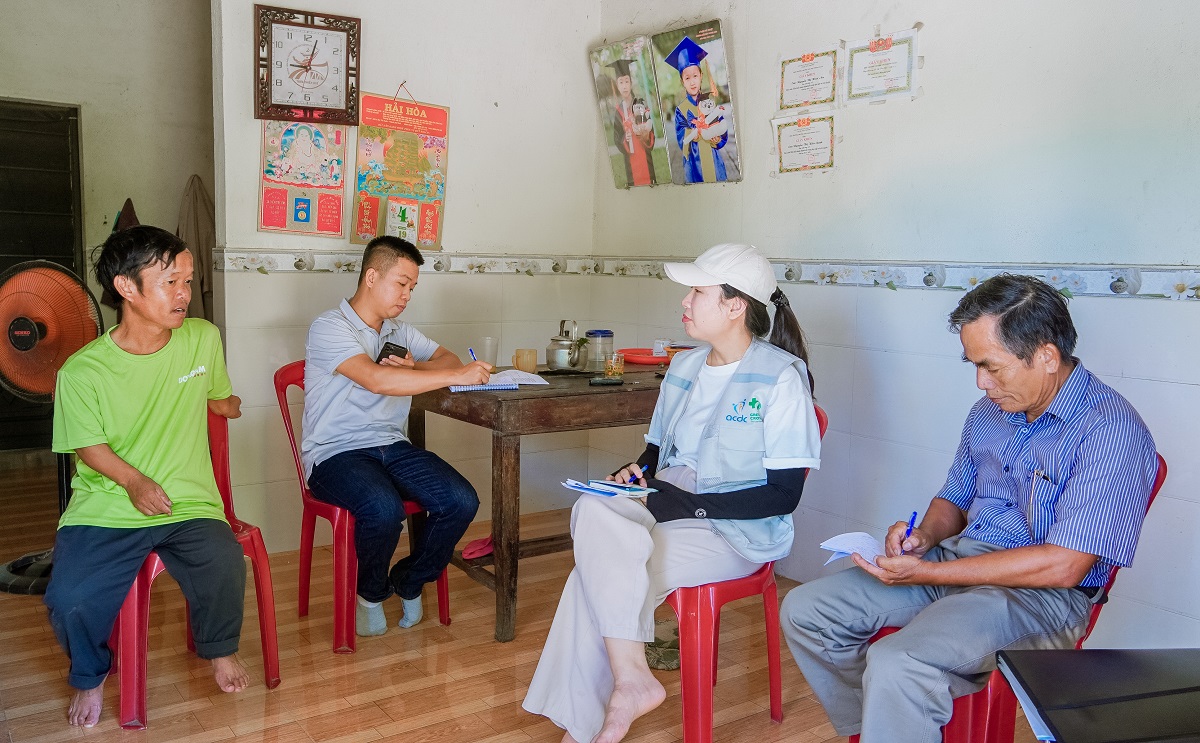
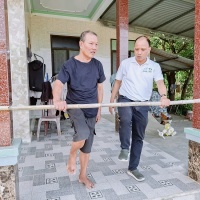
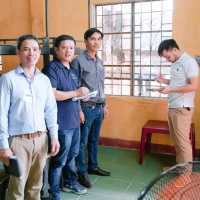
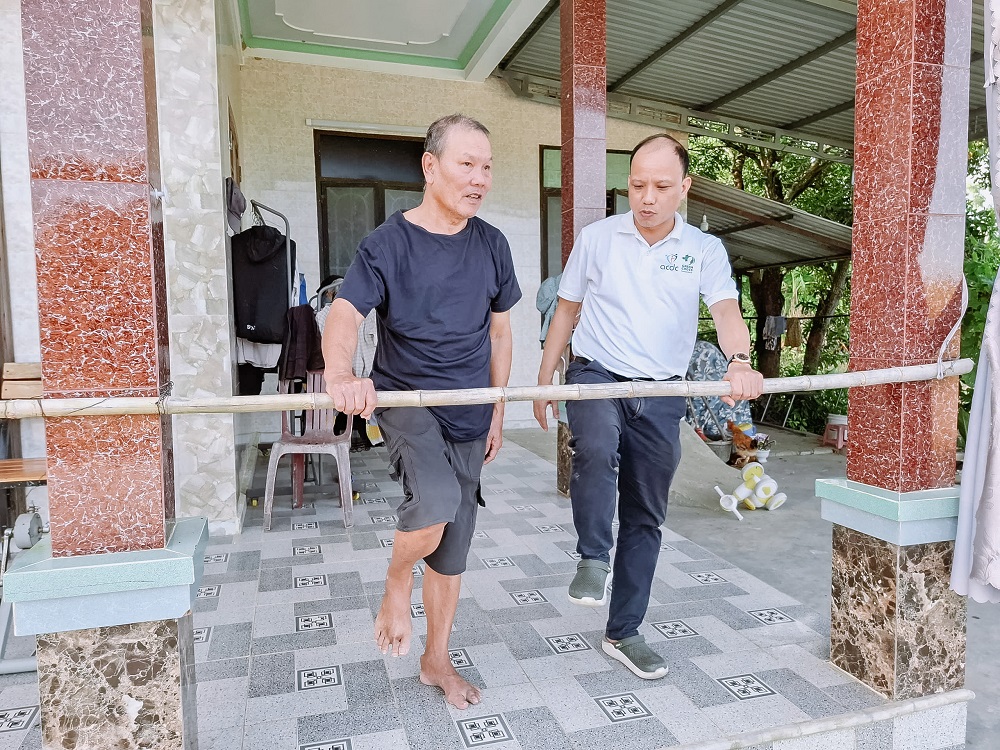
The ACDC assessment team and a technical consultant conduct household visits to document living conditions, needs, and challenges related to livelihood development among persons with disabilities in Hue City
From 3rd to 7th June 2026, Action to the Community Development Institute (ACDC) worked in partnership with the Hue Association for the Protection of Persons with Disabilities and Orphans and local authorities to conduct a livelihood needs assessment for persons with disabilities and Agent Orange victims in Hue City. The activity was implemented under the project “Livelihood Support and Quality of Life Improvement for Persons with Disabilities and Agent Orange Victims in Hue City,” funded by Green Cross Switzerland (GCCH) through ACDC.
The assessment was carried out in 12 communes and wards, including Phu Bai, Thanh Thuy, Phong Dien, Phong Thai, Dan Dien, Quang Dien, A Luoi 1, A Luoi 2, A Luoi 3, A Luoi 4, A Luoi 5, and Chan May – Lang Co Commune, with the participation of 51 persons with disabilities and Agent Orange victims.
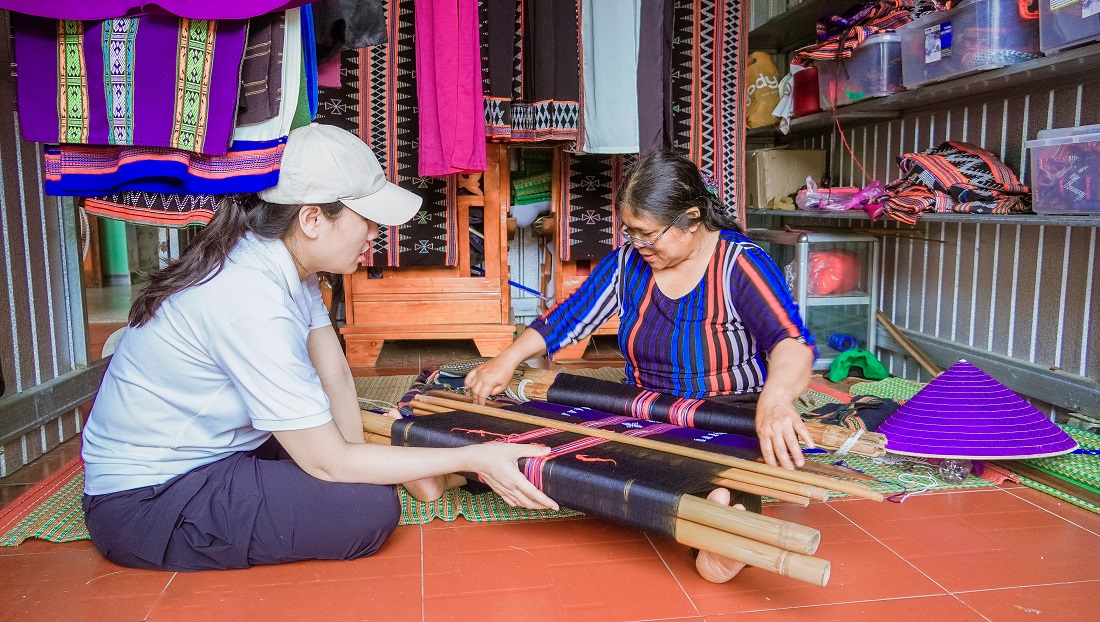
Project staff discuss and learn about traditional Zèng weaving activities at a household, assessing opportunities for sustainable livelihood development in the A Luoi area
During the assessment, the project team visited each household to better understand their economic conditions, available resources, production experience, livelihood development needs, and the challenges faced by persons with disabilities, Agent Orange victims, and their families. The activity not only helped collect information for the development of appropriate support plans but also provided an opportunity to listen to the aspirations and expectations of participants in the local communities.
Preliminary findings showed that most households wished to continue traditional livelihood activities such as raising cattle, pigs, and poultry,as well as small-scale crop production. In addition, several livelihood models with strong development potential were identified, including beekeeping, freshwater aquaculture, traditional Zeng weaving in the A Luoi area, handicraft production, and various service-based activities suitable for persons with disabilities, Agent Orange victims, and their families. Importantly, the assessment enabled the project to gain a clearer understanding of the strengths and existing resources of each locality while documenting a wide range of livelihood ideas proposed directly by community members. These findings provide an important basis for ACDC to select appropriate livelihood support models that are feasible, effective, and sustainable throughout project implementation.
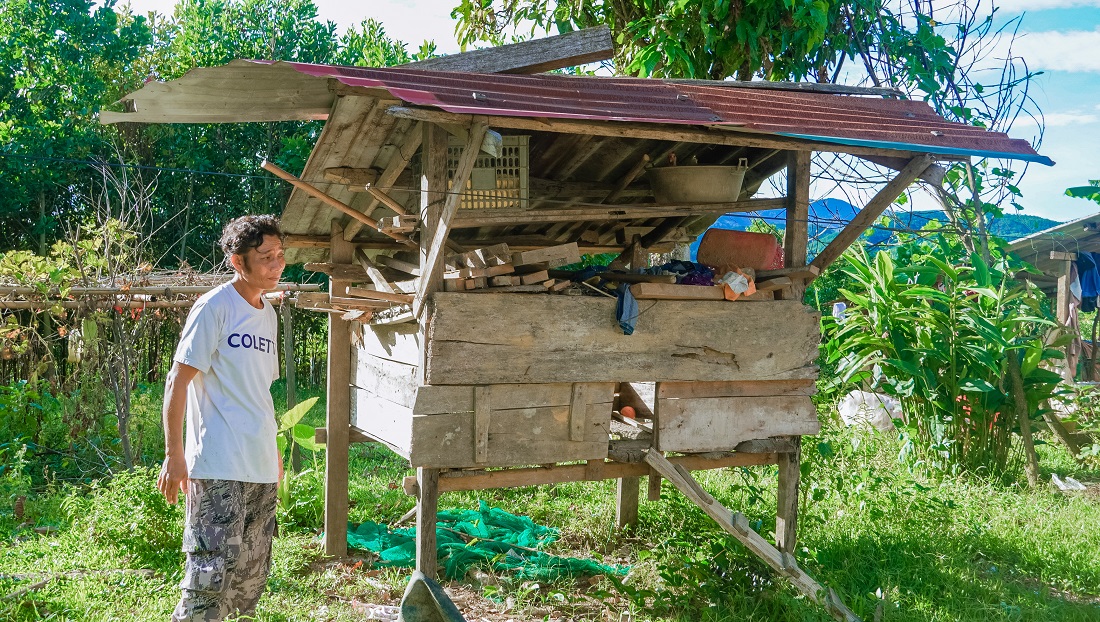
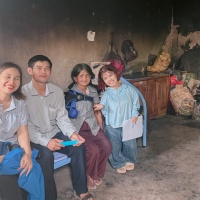
A person with a disability shares information about an existing livestock-raising model and discusses livelihood support needs suited to the household’s circumstances
Alongside these positive findings, the assessment also revealed that many households continue to face significant economic challenges, including limited access to capital, production assets, and other essential resources needed for livelihood development. Although many households expressed a strong desire to improve their income, their capacity to establish and sustain livelihood activities remains constrained.
Through this assessment, ACDC and its partners have gained valuable practical insights into the needs, capacities, and livelihood development potential of persons with disabilities and Agent Orange victims in Hue City. In the upcoming period, the assessment results will be consolidated and analyzed to identify suitable beneficiary households and develop livelihood support packages that respond to actual needs, contributing to increased income, improved quality of life, and greater inclusion of persons with disabilities within the community.