

Hoạt động

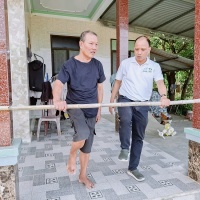
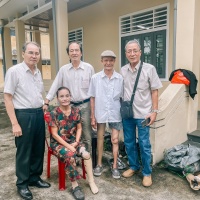
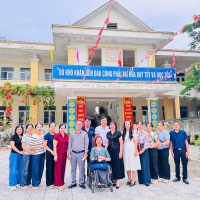
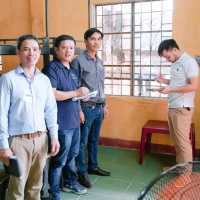
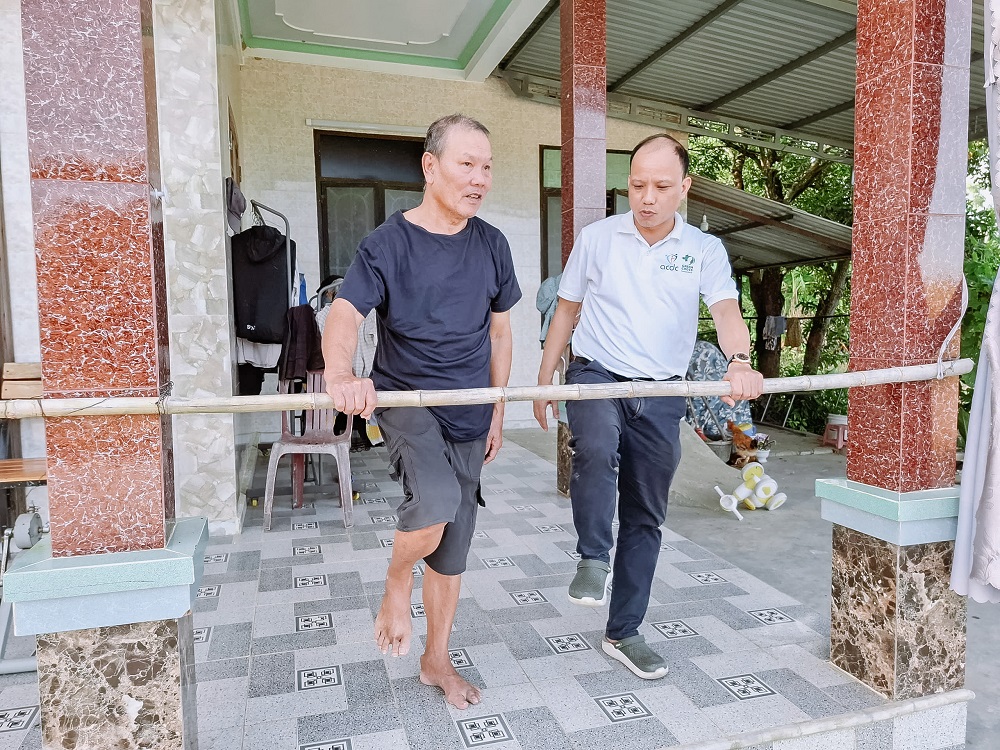
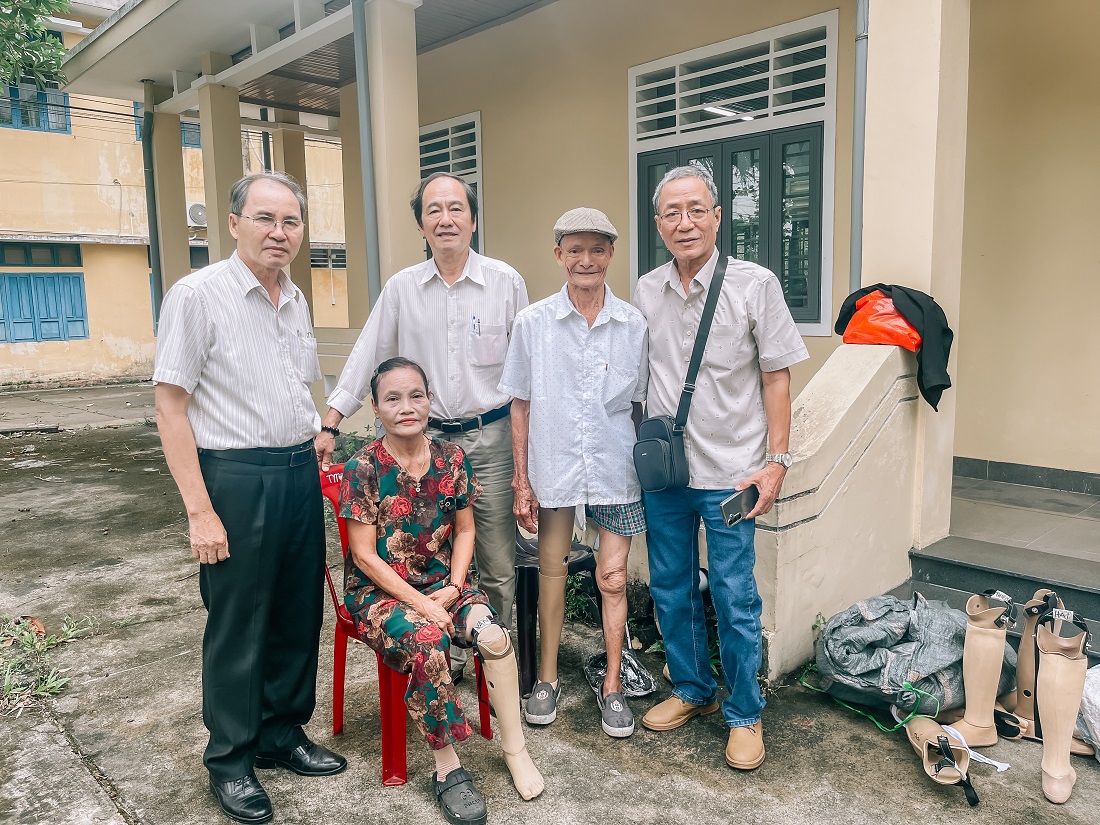
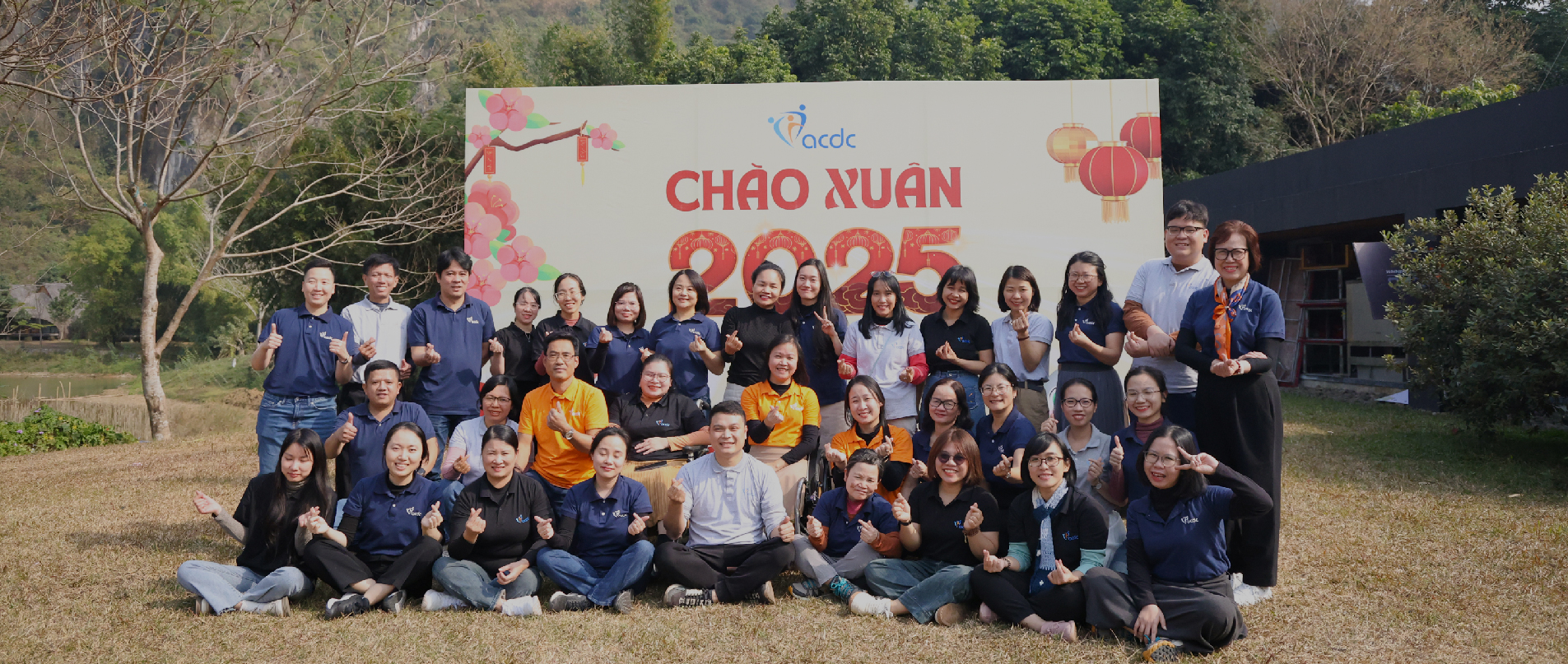
In the early days of the new year, from January 6–7, 2026, the ACDC Institute coordinated with the Da Nang Department of Health and local authorities to conduct a mid-term monitoring visit of livelihood support activities for 15 households of persons with disabilities in seven communes of the city, including Thang An, Thang Dien, Thang Phu, Duy Xuyen, Nam Phuoc, Thu Bon, and Duy Nghia.
The monitoring aimed to assess the progress, effectiveness, and suitability of four livelihood models being implemented: small grocery and beverage businesses, oyster mushroom cultivation, decorative pot production, and livestock raising.
The results showed that the livelihood models were implemented in a coordinated manner, on schedule, and were operating stably. Timely support with equipment and materials, along with regular technical guidance, has helped households gradually generate income, improve their living conditions, and gain greater confidence to maintain and expand their production and business activities in the future.
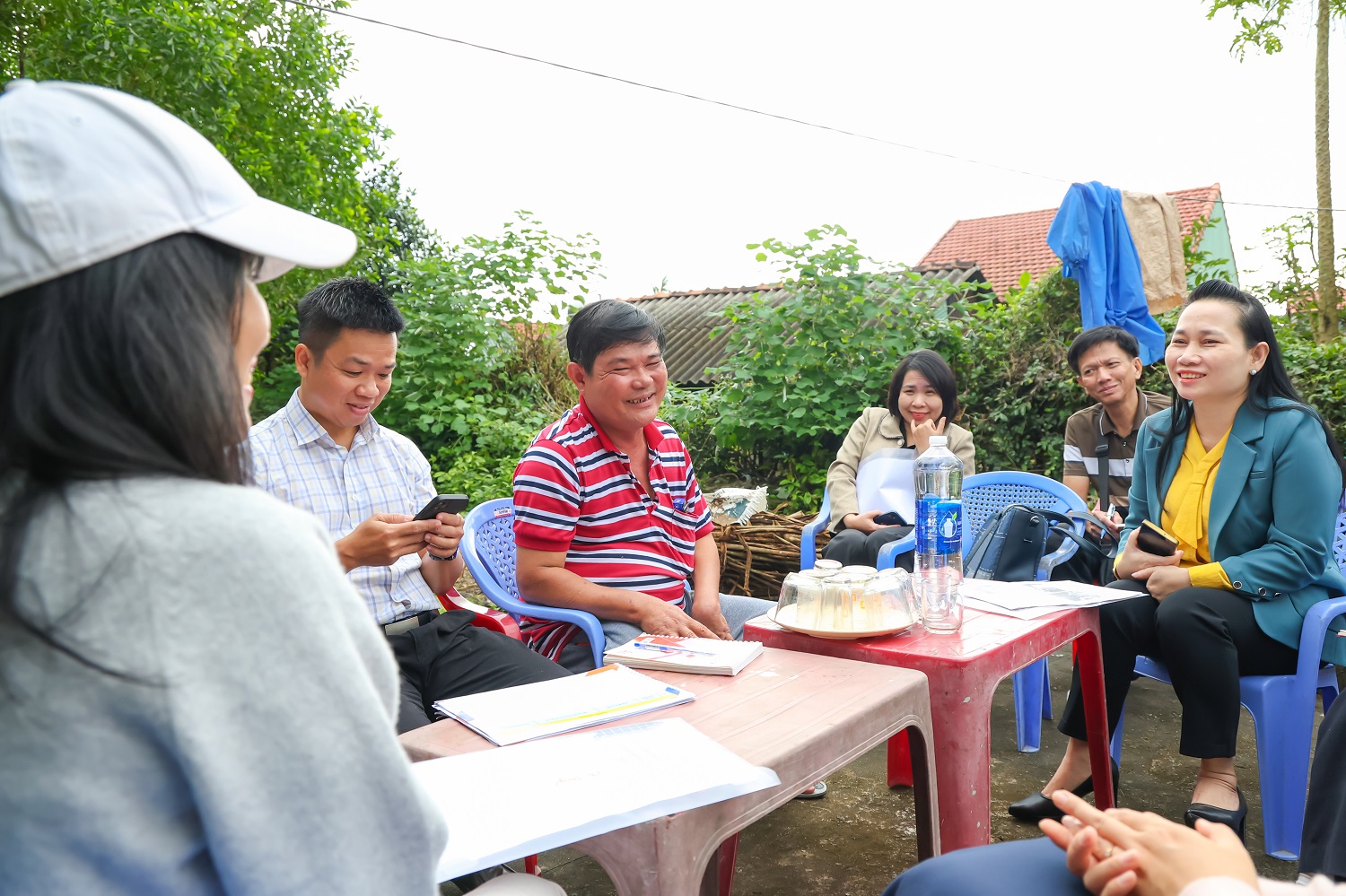
Ms. Doan Thi Hoai Nhi, Deputy Director of the Da Nang Department of Health, shared: “I highly appreciate the effectiveness of the livelihood support component implemented by ACDC for households of persons with disabilities in Da Nang. The models are well designed to match the needs and actual conditions of each household. Seeing persons with disabilities demonstrate a positive attitude, strong determination to overcome difficulties, improved capacity, and better financial management skills—while also creating jobs and increasing income—makes me, as a policymaker, feel very pleased and encouraged.”
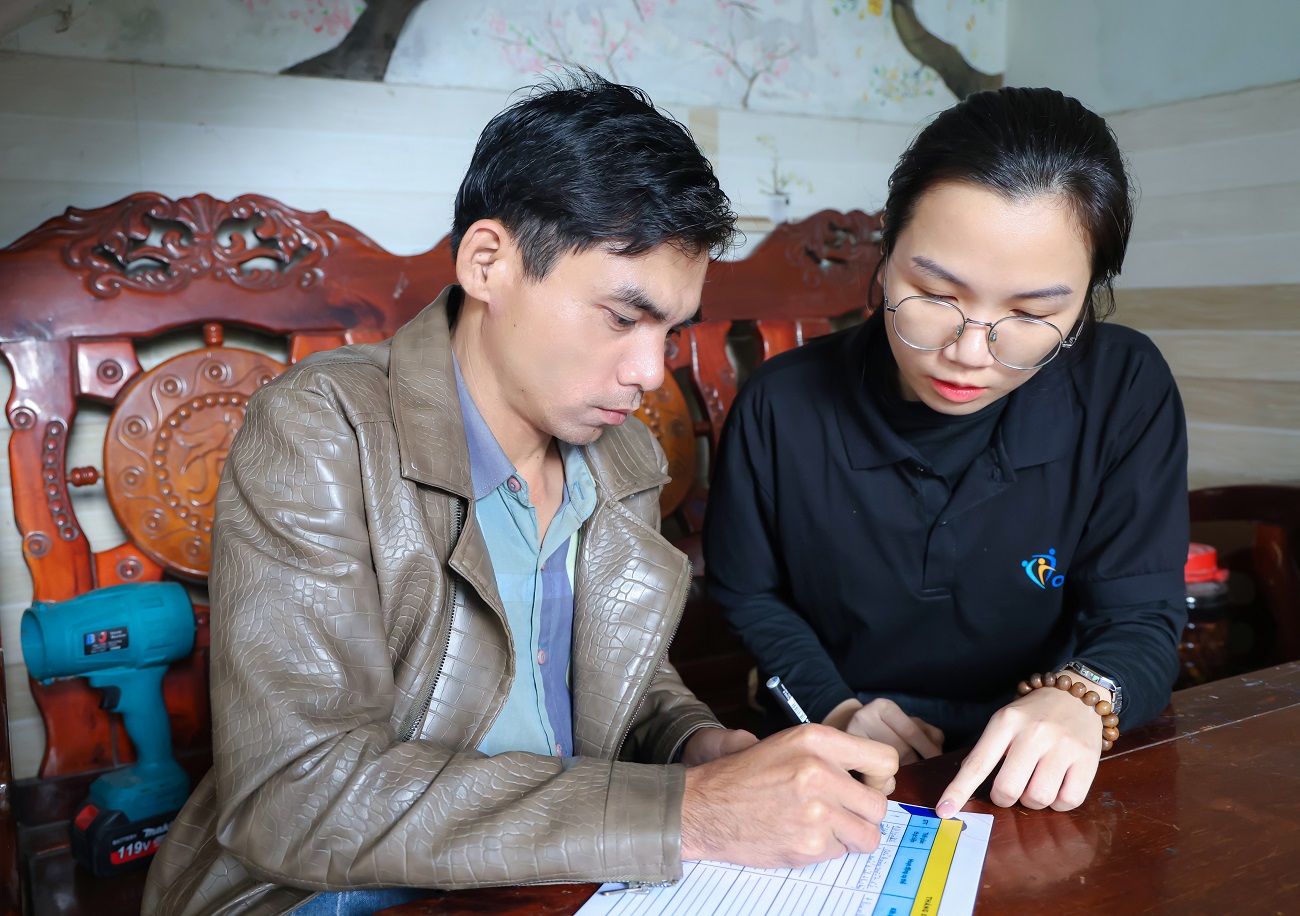
Mr. Vo Minh Vi, a person with disability and an Agent Orange victim from Thu Bon commune, shared:“Thanks to the project’s support, my yard was renovated and became more spacious and airy. I was also provided with a sugarcane juice cart, a coffee machine, and tables and chairs, which allowed my wife and me to start our business at home. What we had long hoped for has now come true. Currently, the shop earns about 6 million VND per month. Our family income has become more stable and helps cover daily living expenses. This is truly a very meaningful opportunity for my family. I sincerely thank the project for its care and support.”
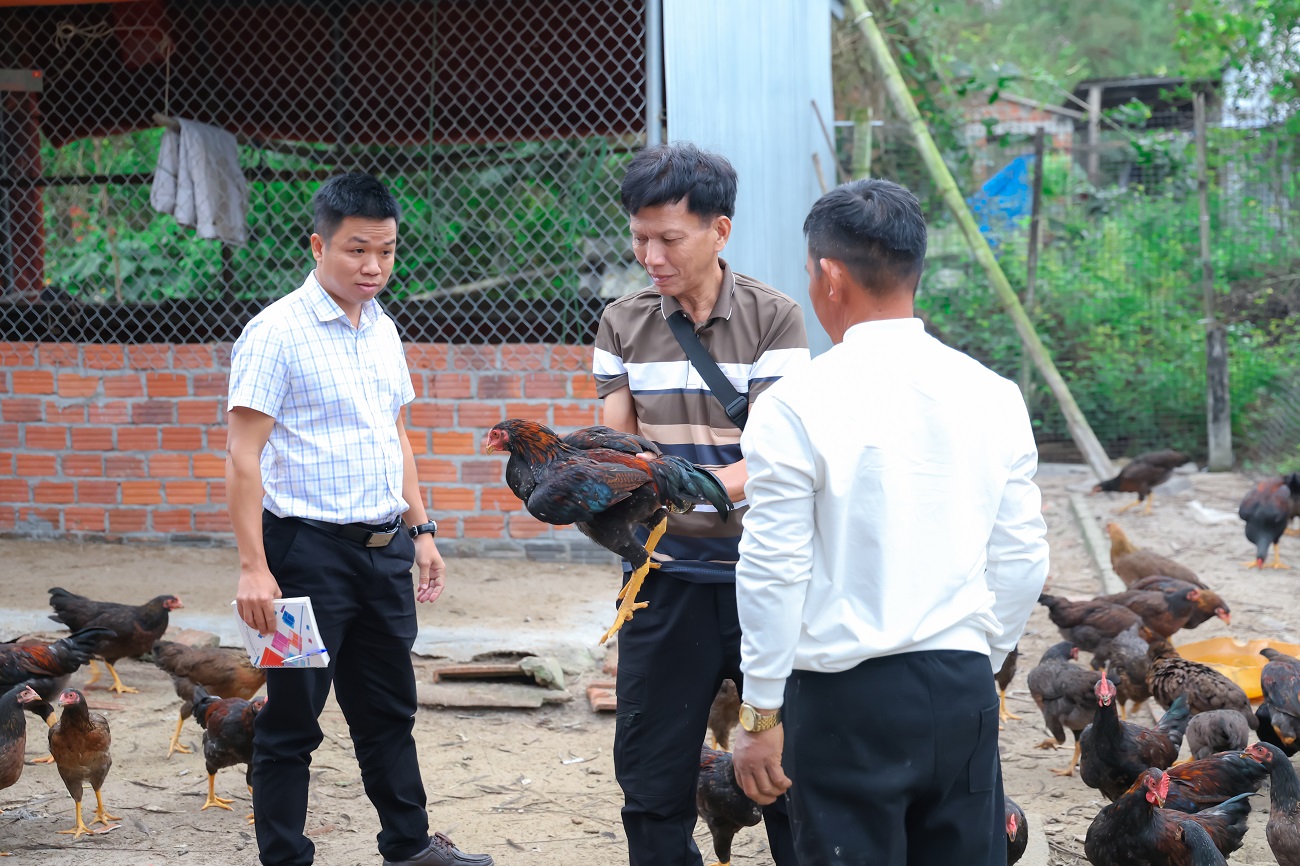
Ms. Doan Thi Thuy, a person with disability from Thang Phu commune, shared: “This is my first time raising chickens on a large scale. Thanks to the project’s dedicated support-from improving the chicken coop, providing modern equipment, supplying feed and veterinary medicines during the initial stage, and especially providing technical guidance-I find the model very effective. Recently, I sold about 60 chickens and earned 9 million VND. The remaining 37 chickens have already been fully ordered. Seeing that chicken farming is convenient and sells at a good price, I have ordered 100 more chickens for the next cycle so that there will always be chickens available for sale. I also plan to build an additional duck coop for 50 ducks. Now that I have a feed grinder, preparing feed for both types is faster and more convenient.”
These positive results continue to confirm that when provided with suitable livelihood opportunities, persons with disabilities can not only improve their skills and generate income, but also confidently affirm their role and position in socio-economic life. The mid-term monitoring serves as an important basis for the project to further adjust, improve, and enhance the effectiveness of support in the next phase.
This activity is part of the project “Supporting the Improvement of Quality of Life for Persons with Disabilities in Provinces Heavily Affected by Agent Orange” implemented in Quang Tri province, Hue city, and Da Nang city. The project is led by the National Action Center for Chemical and Environmental Remediation (NACCET). The ACDC Institute is one of the implementing partners under the management of the Center for Health and Population Initiatives (CCIHP).