

Activity
From August 1 to August 6, 2025, the project “Independent living and social inclusion for persons with disabilities in Quang Tri, Vietnam” carried out activities to support persons with disabilities in Quang Tri province. These included the trial of prosthetic and orthopedic devices, conducting home-based functional rehabilitation interventions, and providing assistive devices. The activities were implemented by ACDC with funding from Green Cross Switzerland.
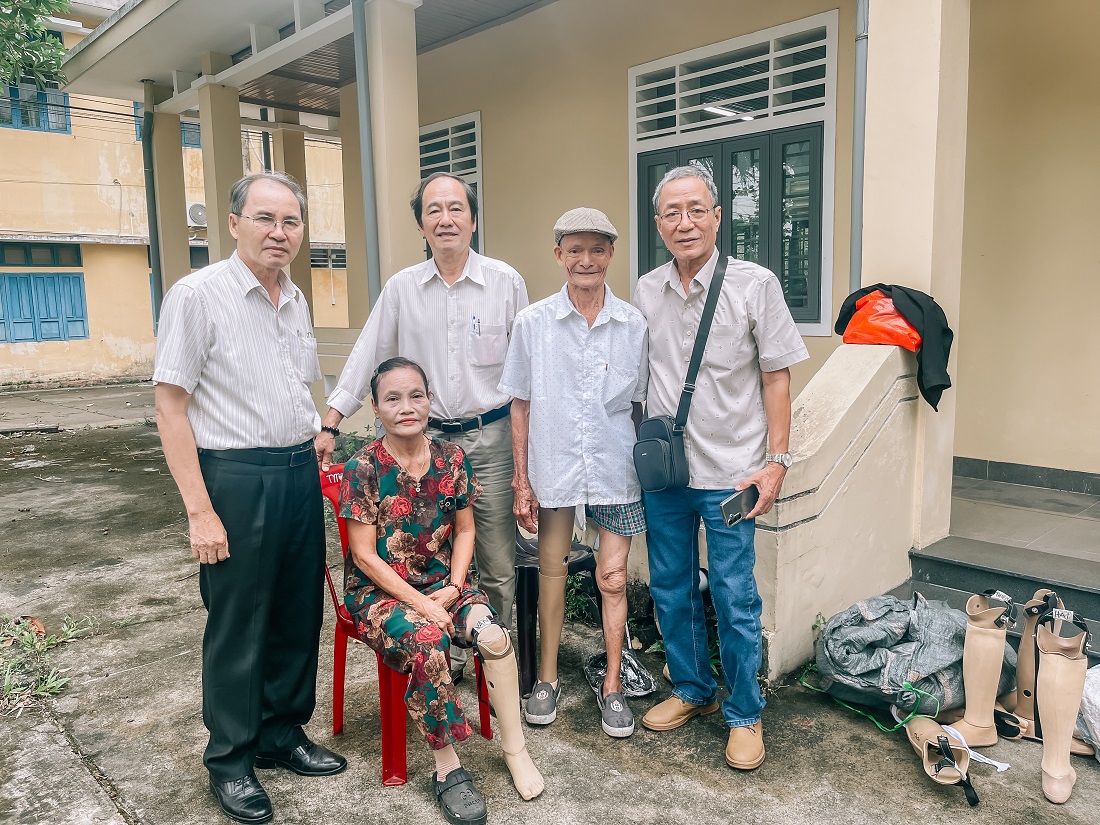
The trial of prototype prosthetic and orthopedic devices was held from August 1 to August 3, 2025, following medical examination, measurement, and sample-taking activities in June 2025. The Da Nang Orthopedic and Rehabilitation Hospital, the project’s technical partner, produced preliminary product models based on each individual’s personal measurements.
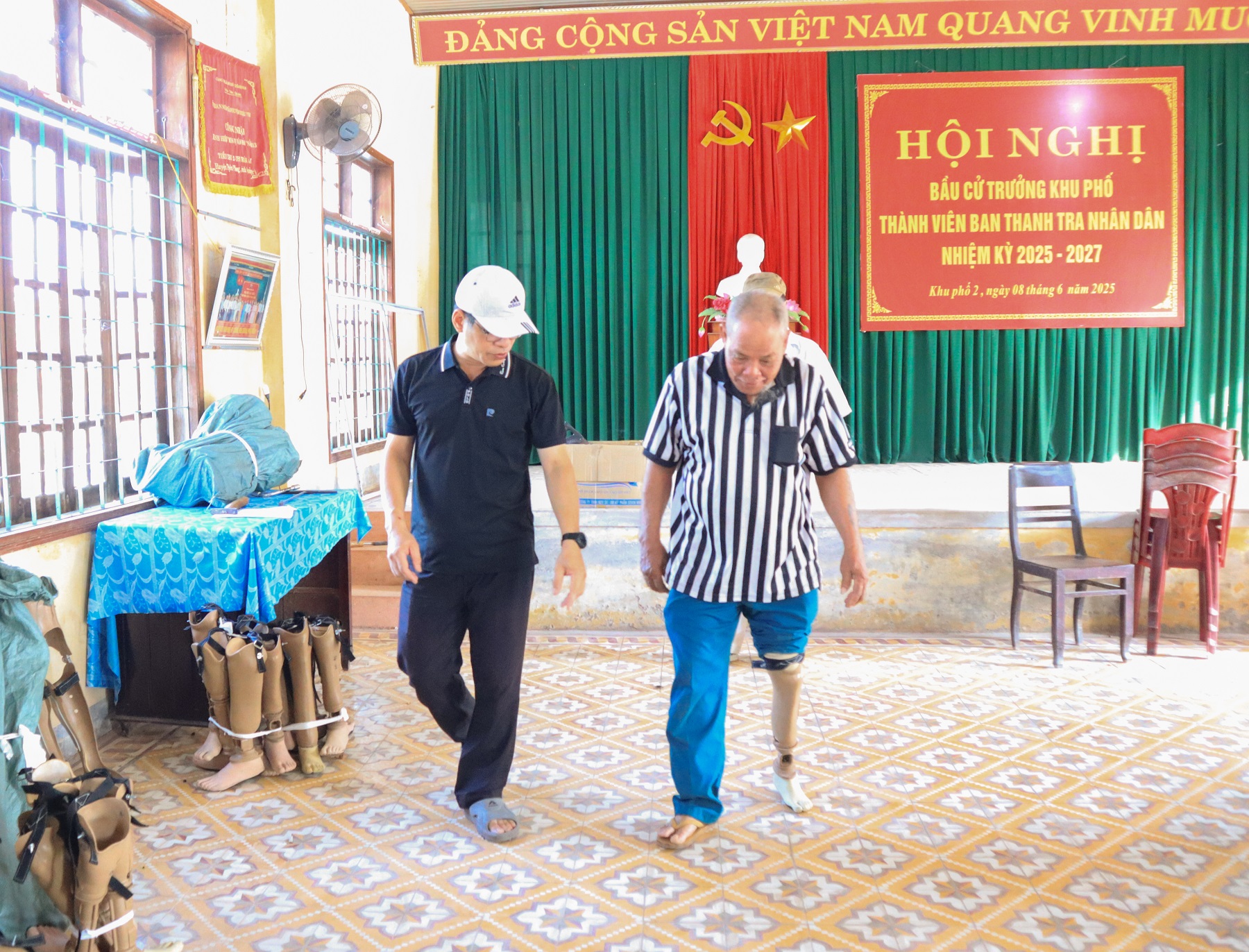
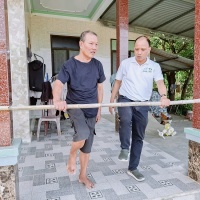
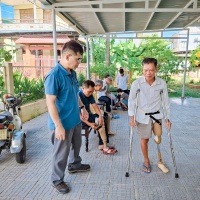
Image: A person with a disability trying a prosthetic leg with the support of a technician
Fifty-six persons with disabilities directly tested the prosthetic limbs and orthopedic devices so technicians could assess the fit and comfort, then make adjustments to finalize the products before insurance.
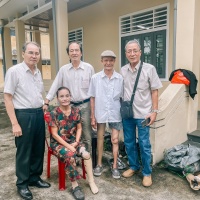
At the same time, local rehabilitation technicians carried out the second round of home-based functional rehabilitation interventions and provided free assistive devices such as wheelchairs, crutches, walkers, canes, shower chairs, commode chairs, and exercise aids for persons with disabilities. As a result, 78 persons with disabilities received home-based rehabilitation interventions, and 192 assistive devices were distributed. The devices were handed directly to beneficiaries, with specific instructions on use, guidance on safety and maintenance to ensure long-term effectiveness.
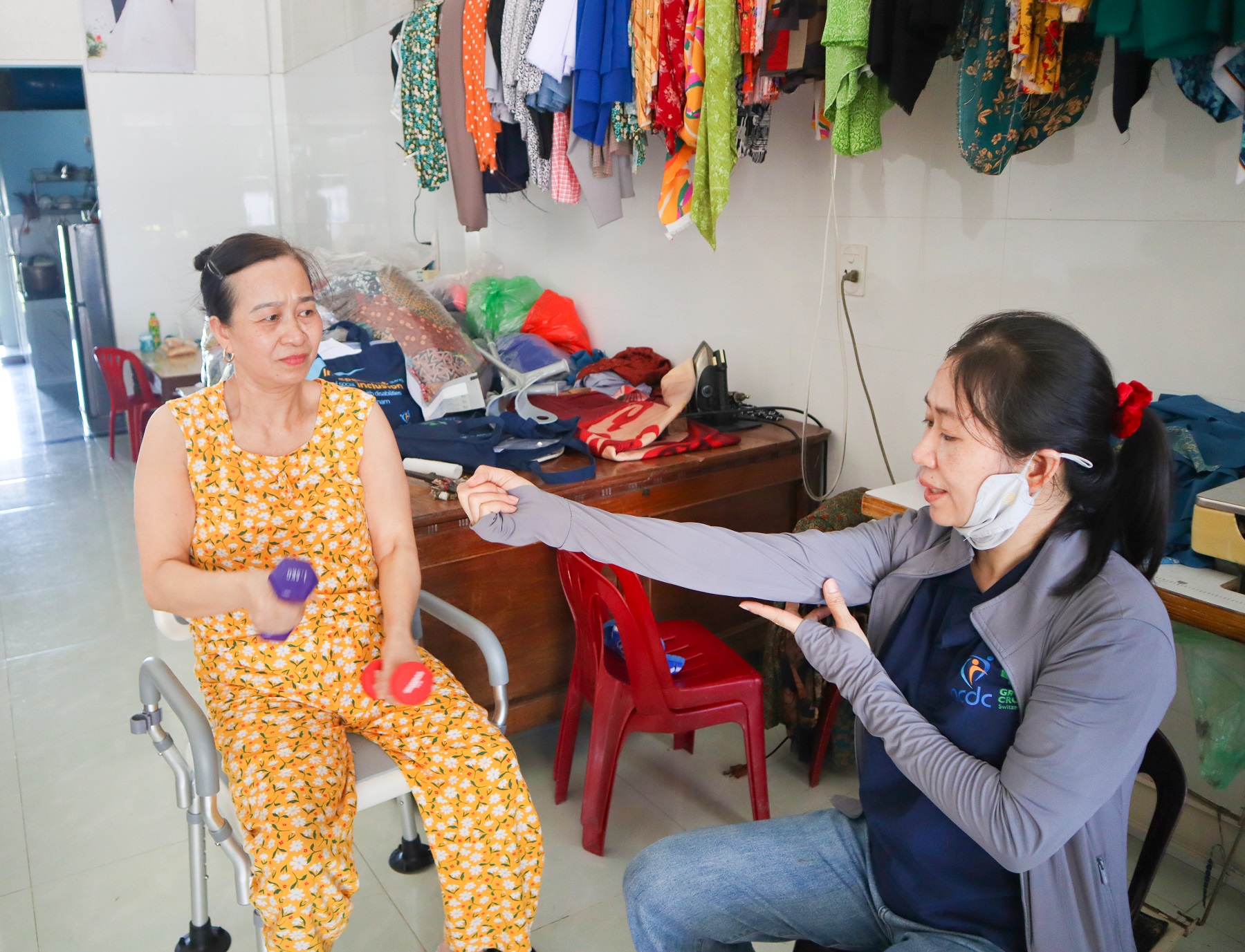
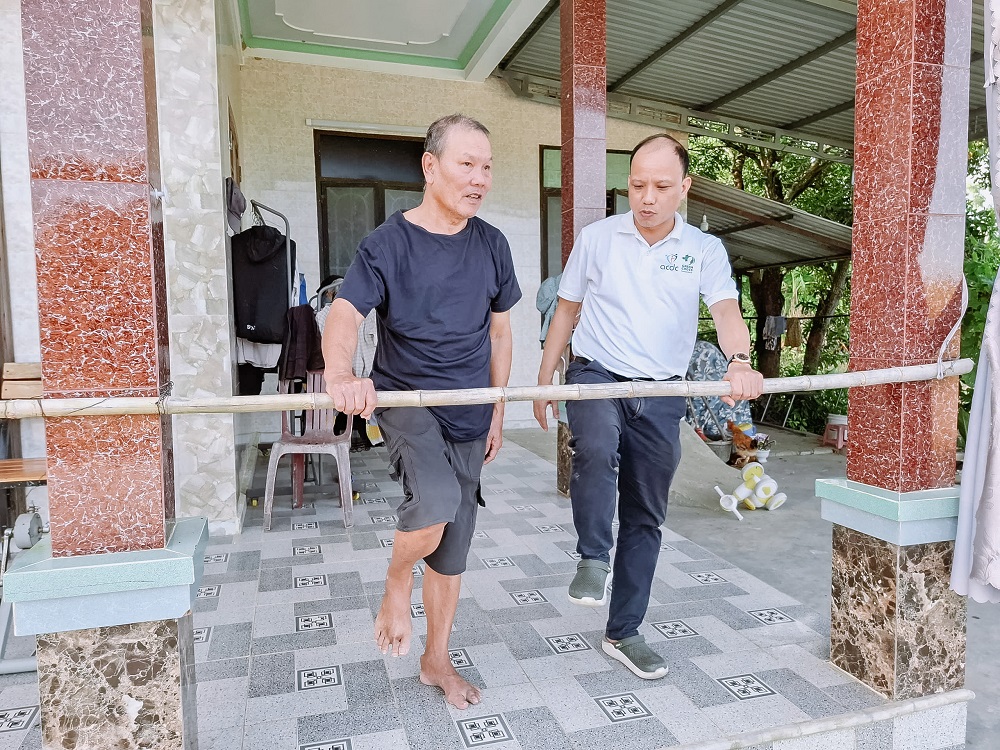
Image: A person with a disability practicing home-based rehabilitation exercises
During home visits, technicians also guided beneficiaries through rehabilitation exercises, posture correction, and safety tips for daily movement and activities.
Ms. L.T.H, mother of a child with disabilities from Gio Linh commune shared: “My son was born in 2019 and has used a prosthetic leg since the age of 2. However, his current prosthetic leg has become too tight, causing him pain and discomfort when moving. Because he is active and playful, he has fallen, breaking the prosthetic leg in half, and our family had to temporarily tape it so he could continue using it. Receiving a new prosthetic leg from the project makes us very happy. He will have his new leg in time for the new school year in September so he can play with his friends more comfortably. Our family sincerely thanks the project for this meaningful gift.”
L.V.T, a person with disabilities from Gio Linh commune, shared after a period of receiving guidance in rehabilitation exercises: Since I started regularly practicing the exercises guided by the technician, my leg swelling has gone down, and the pain is much less.”
Ms. L.N.T.T, mother of a child with disabilities from Gio Linh commune said: “Ever since my child stopped therapy at the rehabilitation center, he has missed the wheelchair there so much and has been longing for one to move around the house. Today, receiving a wheelchair from the project has made him so happy.”
Ms. L.T.N, mother of a person with disabilities from Gio Linh commune expressed: “For years, my son has just stayed in his room, only leaving for bathing or using the toilet. I’m getting older, and his children are still small, so without a wheelchair, we couldn’t take him outside even though we wanted to. Today, for the first time in years, he has come to sit in the living room. Having a change of scenery and watching the traffic outside made him so happy. We are grateful to the project for providing our family with a wheelchair.”
Ms. C.T.H, a person with disabilities from Vinh Thuy commune: “From now on, with this cane, I can go to the garden to feed my chickens and pigs without fear of falling. Before, I used a homemade bamboo cane and often tripped and fell.”
These activities not only help persons with disabilities live more independently, but also improve their quality of life and that of their families.